


Best Camp In Ziro Valley: An Honest Comparison Of Your Options
There is a particular kind of silence that settles over Ziro Valley at four in the morning. Not emptiness — the valley is never empty. It's the sound of pine needles shifting, of the Kele river running somewhere below, of a village dog barking two paddy fields away and then thinking better of it. I have woken up in a lot of places across Northeast India. Very few of them have made me want to unzip a tent flap at that hour just to look at the sky.
That's the thing nobody tells you about camping in Ziro. Everyone talks about the music. Fewer people talk about the mornings — the way the mist sits in the bowl of the valley like something poured, the way the Apatani paddy fields come up out of it in terraces as the light rises. You only get those mornings if you sleep in the valley. Not in a Hapoli guesthouse with the curtains drawn. In the valley.
So: which camp? That question sounds simple and isn't. Ziro's camping landscape is genuinely inconsistent — some operations are excellent, some are seasonal pop-ups that exist for four days in September and vanish, and a few are just a patch of grass with rented tents and an optimistic Instagram page. This guide is an honest attempt to help you tell the difference. I'm not going to hand you a ranked list of named properties with invented star ratings. I'm going to give you the framework I'd use myself, tell you where BreakBag's own camp sits inside it, and let you decide.
If you are planning to explore more of the Northeast after the festival, check out our curated Arunachal Pradesh Ziro Festival 2026 tour packages that cover destinations like Ziro Valley.
What "Best Camp in Ziro Valley" Actually Means
Search best camp in Ziro Valley and you'll get listicles. Most of them are written by people who have never slept in Ziro, Arunachal Pradesh. They aggregate whatever showed up on a booking platform, add adjectives, and publish.
Here's why that fails you specifically in Ziro. Unlike Manali or Rishikesh, Ziro Valley has no large standardised hospitality inventory. There is no chain. There is no star-rating body. Camping in Ziro is run by a mix of local Apatani families, small Arunachal-based operators, and outside travel companies who set up temporary sites. A "top 10" list flattens all of that into a false equivalence — as if a permanent, licensed, year-round camp and a four-day festival tent field are the same category of thing.
They are not. And the gap between them is where most bad Ziro trips happen. The honest framing is this: there is no single best camp in Ziro Valley. There is a best camp for your trip, and it depends on four variables — when you're going, how far you want to be from the festival grounds, what you actually need in terms of comfort, and whether the operator will still exist if something goes wrong. The rest of this guide is about those four variables.
To learn more about travel routes, and local attractions, visitors can explore the Arunachal Pradesh tourism official website.
The Six Criteria That Separate a Good Camp From a Bad One
Use these as a checklist. Ask any operator these questions directly before you pay. A good one answers plainly.
1. Permanence. Is this a year-round camp or a seasonal setup? Year-round camps have invested in drainage, levelled ground, permanent toilets, and staff who live there. Seasonal setups are pitched on borrowed land days before the festival and struck immediately after. Both can be fine. But a year-round camp has skin in the game — its reputation carries into next season. A pop-up doesn't.
2. Ground and drainage. Ziro is a wet valley. September carries the tail of the monsoon. A camp on a flat, poorly drained paddy-adjacent plot becomes a swamp after one bad night. Ask what the ground is — raised platform, gravel base, natural slope? "It's fine" is not an answer.
3. Tent specification. There is a real difference between a dome tent with a proper flysheet, groundsheet and mattress, and a thin nylon shell with a foam pad. Ask the tent type. Ask if there's a mattress or just a mat. Ask about blankets — Ziro nights in September drop to around 12–15°C, and it feels colder when damp.
4. Toilets and water. This is the single biggest complaint in Ziro camping and the one operators are vaguest about. Ask the actual ratio — how many toilets for how many guests. Ask if there's running water or bucket. Ask if hot water exists and whether it's included or paid.
5. Distance and access. Covered in detail below, but in short: how far from the festival grounds, is it walkable, and what happens at 2am when you want to leave.
6. Who's actually on site. Is there a coordinator present overnight? A local guide? Someone who can drive you to a hospital in Hapoli at 3am? For most trips this never matters. For the one where it does, it matters enormously.
If an operator answers all six clearly and specifically, they're probably running a real camp. If the answers are vague, atmospheric, or redirect to photos — that's your signal.
The valley is also famous for its unique tribal heritage and agricultural practices recognized as the Apatani cultural landscape of Ziro Valley.
Festival Camps vs Year-Round Camps: A Genuine Trade-Off
This is the fork in the road, so let's be direct about both sides.
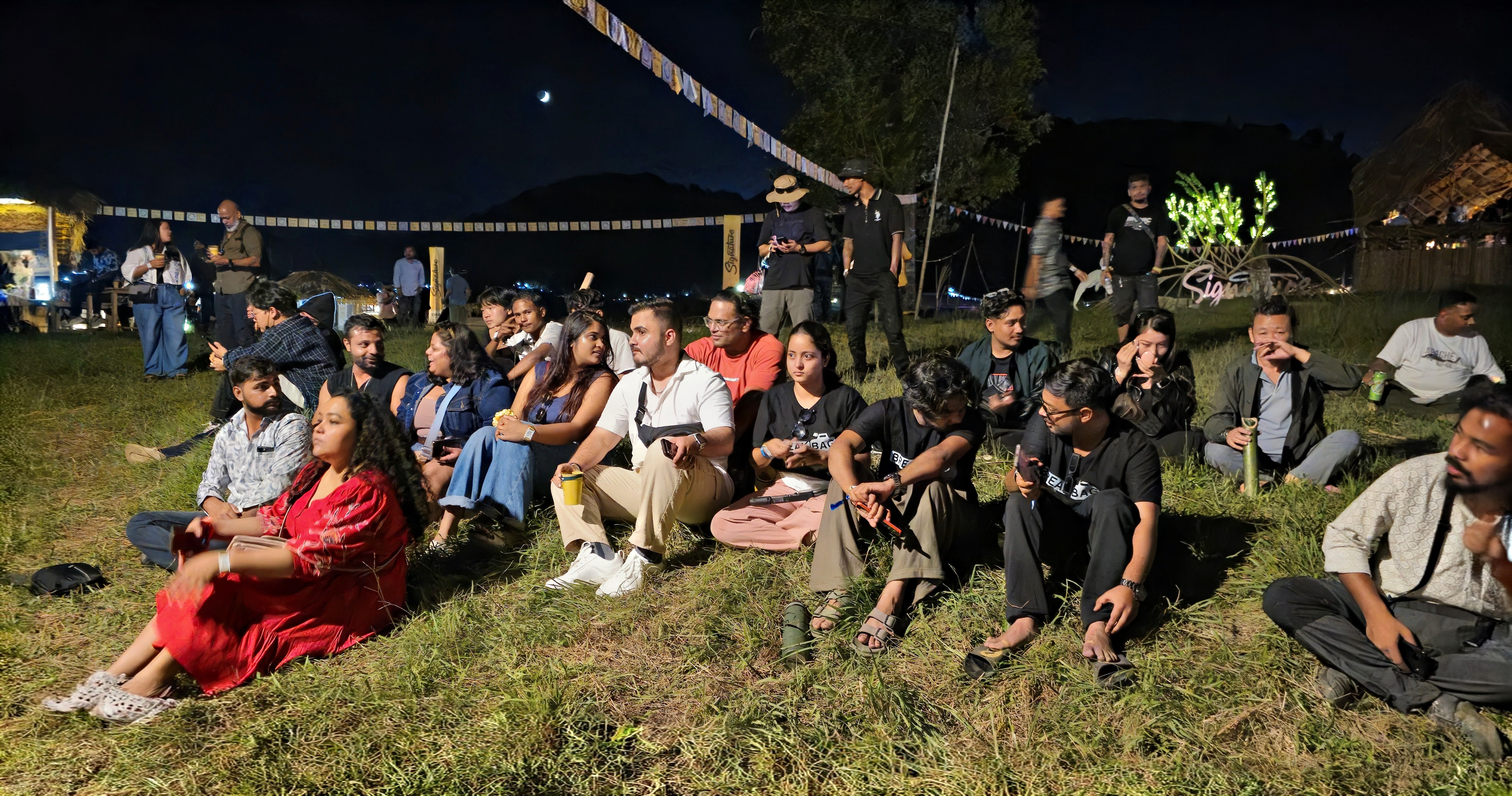
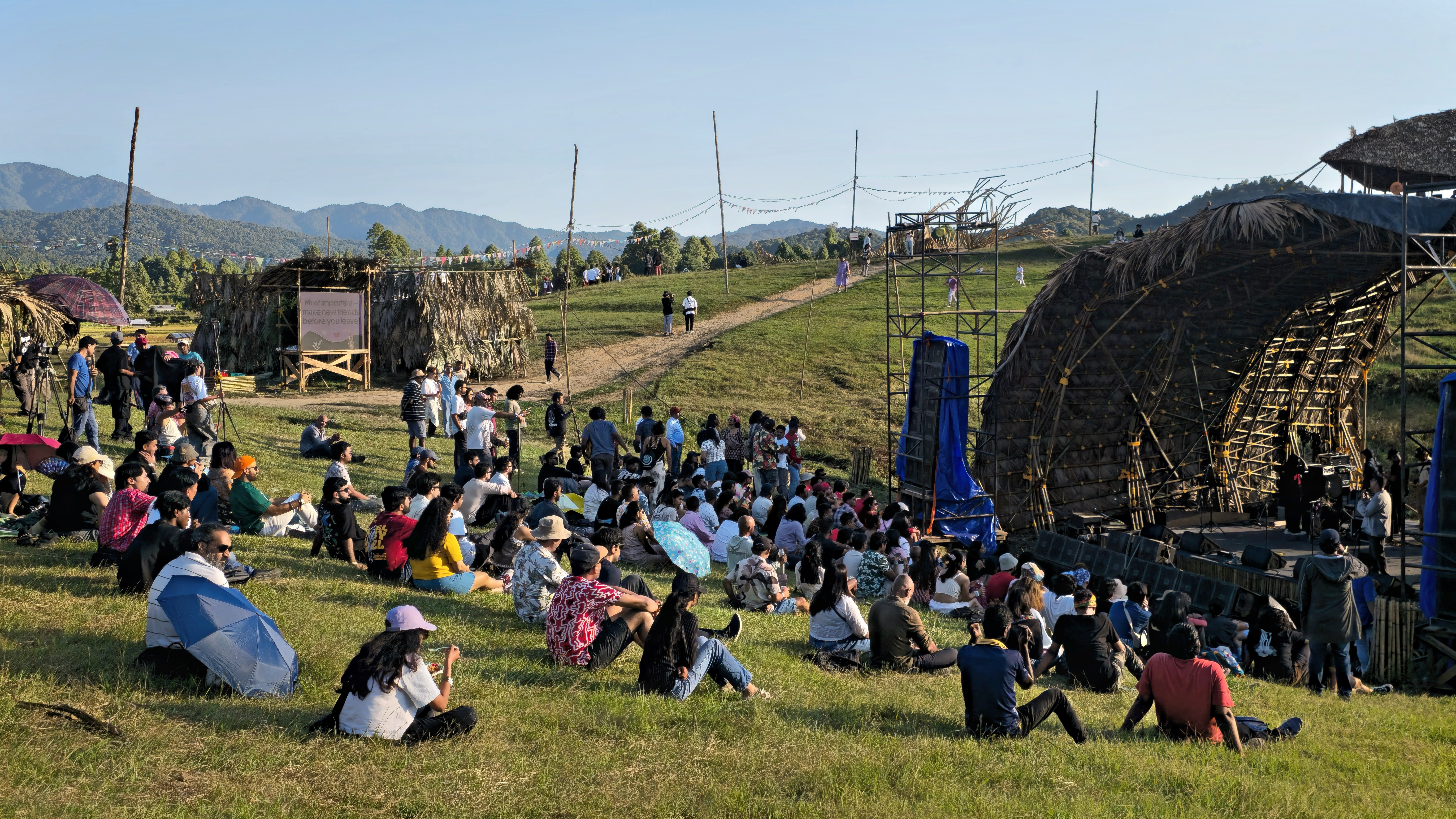
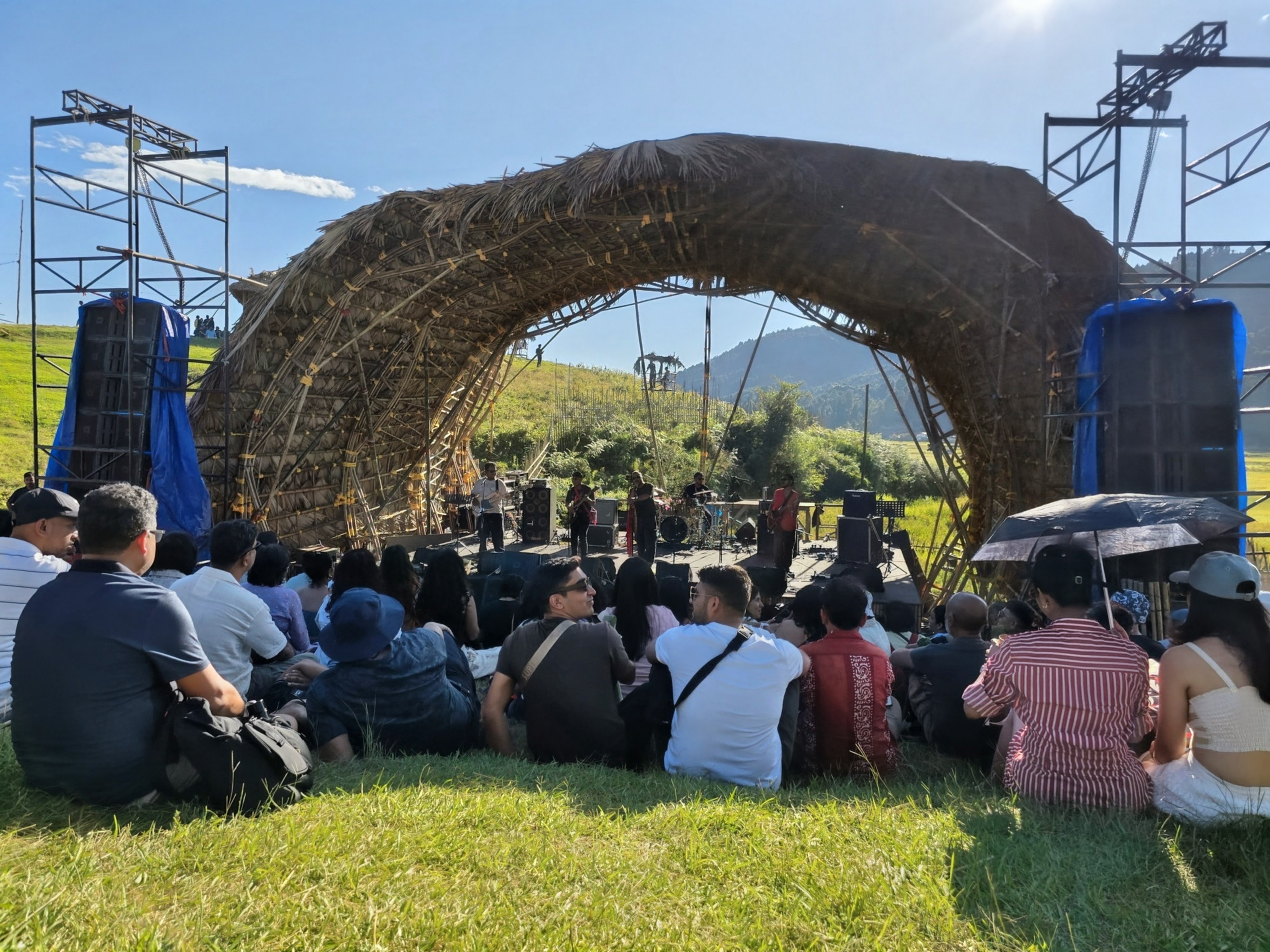
Festival-window camps exist because roughly 8,000–10,000 people descend on a valley with a few hundred permanent beds. They solve a real problem. They're close to the action, they're social, and they're often cheaper per night. The trade-off is variability: infrastructure is temporary, staff are seasonal hires, and quality control depends entirely on how seriously the operator takes it.
Year-round camps operate outside the festival too. They tend to have better facilities because those facilities have to survive twelve months, not four days. They're usually quieter and a little further out. The trade-off is that during the Ziro Music Festival they book out early and cost more, and you may need transport to and from the grounds.
Here's my honest read: if this is your first time and the festival is the entire point of the trip, a well-run festival-window camp is the right call — but only if it clears the six criteria above. If you're coming to see Ziro Valley itself, or you're visiting outside September, a year-round camp isn't just better, it's the only sensible option, because the festival camps won't exist.
Travelers planning an extended trip across the region can explore detailed Northeast India travel information to understand the culture and destinations.
Location: How Far From the Festival Grounds Should You Actually Be?
Every camp in Ziro claims to be close. "Close" is doing a lot of work in those sentences.
The festival grounds sit in the valley below Ziro Putu, near the Hong/Hija side. Practical distance bands, roughly:
- Walking distance (under 1.5 km): You can stumble back. This is the real luxury. It also means you hear the bass until it stops.
- Short drive (2–6 km): Ten to fifteen minutes on Ziro's roads. You need reliable shared transport, and you need to confirm that transport runs late.
- Hapoli / Old Ziro (7–10 km): Genuinely far in festival traffic. Fine if you have a private vehicle, frustrating otherwise.
Most people over-optimise for proximity and under-optimise for sleep. Being 200 metres from a stage sounds ideal until the third night. A camp at 1–2 km with a shuttle is often the better trip. Decide honestly which one you are.
If nearest-possible is your priority, that's a distinct search — see our guide to the nearest camp from Ziro Music Festival grounds, which handles that specific question in detail.
What a Camp Stay in Ziro Actually Costs in 2026
Rough, honest bands for a camp in Ziro Festival week, per person per night, twin-sharing:
- Basic seasonal tent, shared facilities: ₹800–1,500
- Mid-tier dome tent, meals included, organised site: ₹1,800–3,000
- Premium / boutique camping: ₹3,500–6,000+
Two things distort these numbers. First, almost nothing includes the festival pass — budget separately. Second, standalone camp pricing rarely includes transfers, and Ziro transport during festival week is expensive and scarce.
This is why the packaged comparison usually lands differently than people expect. BreakBag's Ziro Festival 2026 packages run ₹17,500 per person from Naharlagun/Itanagar and ₹17,999 from Guwahati (5N/6D, including the overnight train), covering four nights at Ziro Camps, daily breakfast and dinner, all transfers, Inner Line Permits, the Apatani village experience, wine tasting, paddy field fishing, and a coordinator on the ground throughout. Priced per night against a standalone mid-tier tent plus transport plus permits, it tends to come out level or lower — which surprises people who assume packages carry a premium.
I'd still tell you to do the arithmetic yourself. That's the point of an honest comparison.
Where Ziro Camps by BreakBag Fits — and Where It Doesn't
Full disclosure: BreakBag owns and operates Ziro Camps. We're a direct operator, not a reseller. So take this section with appropriate salt — but I'd rather state the position plainly than pretend neutrality.
Against the six criteria: it's a permanent, year-round operation, not a festival pop-up. Double-sharing dome tents with proper bedding. Meals included from Day 1 dinner. A trip coordinator on site for the duration. Local Apatani guides for the village component. Inner Line Permits handled before you arrive, which removes the single most common Ziro trip failure.
Where it doesn't fit: if you want a private room with an attached bathroom, this isn't it — it's shared tent accommodation. If you want to be alone, it's a social camp. If you're on the absolute cheapest possible trip and are happy to take on permit paperwork, transport, and accommodation risk yourself, you can do Ziro for less. Some people should. If you specifically want the intimacy of staying inside an Apatani household, a homestay in Ziro Valley is a genuinely different and lovely experience, and I'd point you there without hesitation.
The strongest argument for a camp package isn't luxury. It's that Ziro during festival week is a logistics problem, and someone on the ground solving it for you is worth more than most people expect until the day something goes wrong.
The success of our previous departures has also been recognized by the media. BreakBag’s Ziro Festival Group Trip 2025 was covered by Dailyhunt for creating one of India’s largest Ziro Music Festival groupi travel experiences.
Booking Timeline: When to Lock Your Camp
Ziro's bed supply is small and fixed. The demand curve is not.
- 6+ months out (March–April): Best inventory, best price, full choice.
- 3–4 months out (May–June): Still workable. Most people book here. Expect the good camps to be filling.
- 6–8 weeks out: Thin. You're choosing from what's left, at higher prices.
- Under 3 weeks: You are relying on cancellations. Do not plan this way.
Two hard constraints worth internalising. Your Inner Line Permit is mandatory for Arunachal Pradesh and needs processing time — verify current requirements and fees at eilp.arunachal.gov.in before you travel. And the Naharlagun train from Guwahati sells out well ahead of festival week; if that's your route, book rail before you book anything else.
"Zro is not a place you visit. It's a place you wake up in — and that depends entirely on where you sleep."
You May Also Connect With Us On →
Whatsaap: BreakBag’s Whatsaap |
Website: BreakBag Holidays |
Email: support@breakbag.com |
Facebook: BreakBag Holidays Facebook |
Instagram: @breakbagholidays |
YouTube: BreakBag Holidays YouTube |
Threads: @breakbagholidays on Threads |
LinkedIn: BreakBag Holidays LinkedIn |
Looking for a hassle free trip?
Connect with our experts! Get the best Itineraries and Offers!