


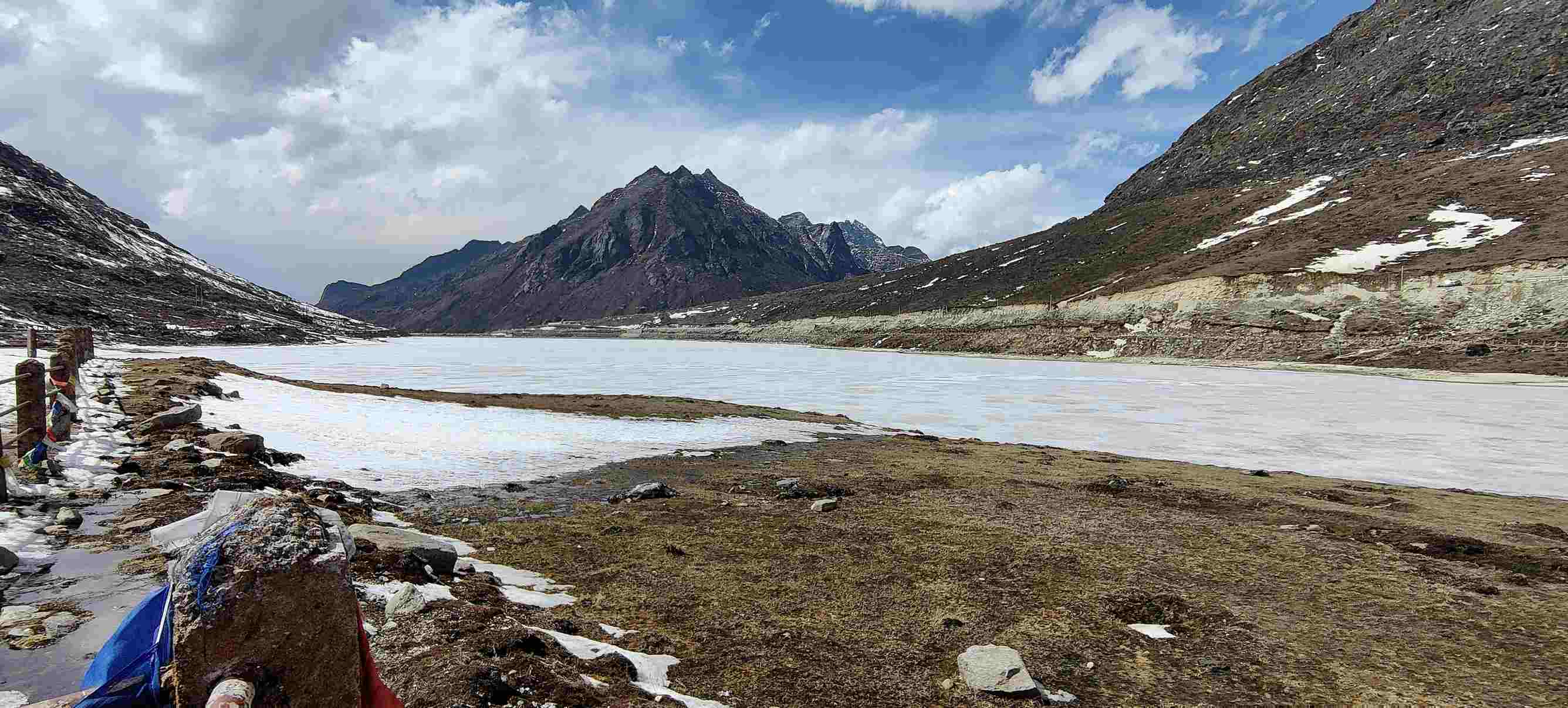
Beyond Tawang: 10 Unexplored Places in Arunachal Pradesh Nobody Talks About
Arunachal Pradesh Is More Than Just Tawang
Every traveller who has ever typed "Arunachal Pradesh travel guide" into Google has seen the same results — Tawang Monastery, Sela Pass, Bum La Pass. And yes, they are breathtaking. But here's the truth that most travel bloggers won't tell you.
Arunachal Pradesh is the size of Austria, and Tawang is barely a dot on its map.
This is a land where the sun rises first in India. A state where over 26 major tribes and hundreds of sub-tribes have lived for centuries, guarding traditions, dialects, and landscapes that the outside world has barely touched. It is a place where rivers carve gorges so deep that satellite maps still show them as blank. It is, quite simply, the most underexplored state in India.
So if you've already done Tawang — or even if you haven't — this guide is your invitation to go deeper. To go beyond the tourist trail. To discover the real Arunachal Pradesh that doesn't trend on Instagram but will stay with you for life.
Discover the UNESCO-listed sites in Arunachal Pradesh and learn more about their significance on the UNESCO World Heritage website.
1. Mechuka Valley — The Hidden Paradise of West Siang
If Tawang is Arunachal Pradesh's crown, then Mechuka Valley is its best-kept secret. Tucked deep inside the West Siang district, Mechuka (also spelled Menchuka) sits at an altitude of around 1,800 metres, cradled by the mighty Himalayan ranges on one side and the Yargyap Chu river on the other. The valley is home to the Memba tribe, a Buddhist community with Tibetan roots that has preserved its culture with remarkable purity.
Imagine waking up at dawn in a wooden homestay, the air cold and fragrant with pine, and watching mist pour down from the peaks like slow-moving waterfalls. There are no malls here. No traffic jams. Just yaks grazing on open meadows, prayer flags fluttering above ancient stupas, and a silence so complete it feels sacred.
The Samten Yongcha Monastery, one of the oldest in Arunachal Pradesh, sits at the edge of the valley like a guardian of time. Visit during the Licci Festival (usually in February or March) and you'll witness masked dances, traditional music, and rituals that have remained unchanged for generations.
Getting there: Fly to Along (Along Airport), then drive approximately 8–10 hours to Mechuka. An Inner Line Permit (ILP) is mandatory. Road conditions are tough post-monsoon — plan for October to April.
For an in-depth understanding of Arunachal Pradesh's diverse tribal cultures, refer to this Anthropology guide on Arunachal Pradesh tribes from Britannica
2. Namdapha National Park — India's Most Biodiverse Wilderness
Ask any wildlife photographer about the holy grail of Indian biodiversity, and many will whisper one name: Namdapha.
Located in the Changlang district of eastern Arunachal Pradesh, Namdapha National Park is one of the largest protected areas in India and arguably the richest in terms of ecological diversity. It is the only park in the world known to host all four big cat species — tiger, leopard, snow leopard, and clouded leopard — under one roof.
But Namdapha is not for the faint-hearted traveller. There are no luxury resorts here, no selfie points, no curated safari circuits. You enter the forest on foot, guided by trackers from the Lisu tribe — one of the most isolated tribal communities in India — and you move through cathedral-like rainforests where the canopy is so thick that sunlight reaches the ground in golden shafts.
The Noa-Dihing river runs through the park like a silver thread, and if you're patient enough, you might spot Hoolock gibbons swinging between branches, or the rare Namdapha flying squirrel gliding silently at dusk. Over 1,000 plant species and more than 400 bird species make this a paradise for birdwatchers, botanists, and anyone who believes that wilderness should remain wild.
Getting there: Base yourself at Miao town (connected by road from Dibrugarh, Assam). ILP required. Entry permits for the park are issued at the forest office in Miao.
Explore the unique wildlife of Arunachal Pradesh by visiting the Wildlife Institute of India’s website.
3. Tuting — The Lost Valley Where the Brahmaputra Is Born
There are places on earth that feel like they exist at the edge of the known world. Tuting is one of them.
Situated in the Upper Siang district, Tuting is the starting point of one of the most dramatic river journeys on the planet. This is where the Tsangpo river, descending from the Tibetan plateau, cuts through the Himalayan range and transforms into the Siang — which eventually becomes the mighty Brahmaputra. The gorge created by this transition is one of the deepest on Earth, and Tuting sits right at its heart.
The town itself is small, quiet, and almost untouched by tourism. The local Adi tribe is warm and welcoming, and their traditional stilt houses, bamboo bridges, and fermented rice beer (apong) offer an authentic cultural immersion that no staged village tour can replicate.
For adventure travellers, Tuting is a launchpad for some of India's most challenging white-water rafting routes — the kind that attract international kayakers for its Grade IV and V rapids. For everyone else, it's simply a place to sit by the river at sunset and feel small in the most beautiful way possible.
Getting there: The nearest airport is Along. Drive approximately 5–6 hours north toward Upper Siang. The road is scenic but rough. ILP needed.
4. Ziro Valley — An Ancient Land of Rice, Rain, and Music
You may have heard of Ziro Festival of Music — the annual outdoor music event that draws indie artists and backpackers from across India every September. But most people visit for the festival and leave without realising that Ziro Valley is one of the most quietly beautiful places in northeastern India throughout the entire year.
Located in the Lower Subansiri district, Ziro Valley is a UNESCO World Heritage tentative site — and once you see it, you'll understand why. The valley is home to the Apatani tribe, a community so remarkable that the United Nations once considered nominating it for cultural heritage status. The Apatani people have developed one of the most sophisticated agroforestry systems in Asia — growing paddy and fish in the same fields simultaneously, without modern irrigation technology.
The Apatani women, especially the elders, have traditionally worn large bamboo nose plugs and facial tattoos — a practice now disappearing with younger generations. Walking through an Apatani village in Ziro is a walk through living history.
Outside the festival months, Ziro is extraordinarily peaceful. Pine forests surround the valley. The air is cool and clean. And the paddy fields — a patchwork of green and gold depending on the season — stretch out like a painting.
Getting there: Ziro is accessible by road from Naharlagun (near Itanagar) — about 5–6 hours. Daily APSRTC buses also available. ILP required.
5. Daporijo — The Untouched Capital of Upper Subansiri
Daporijo is the kind of place that appears on the map but rarely in any travel itinerary. The headquarters of the Upper Subansiri district, it sits on the banks of the Subansiri river — one of the wildest rivers in India — surrounded by dense jungle and rolling hills.
The area is home to multiple tribal communities, including the Tagin, Hill Miri, and Na tribes, each with distinct customs, dress, and oral histories. The suspension bridge over the Subansiri river is itself an attraction — a long, swaying structure that locals cross with the casual confidence of people who have grown up doing so.
What makes Daporijo especially unique is its complete lack of tourist infrastructure. There are no guided tours, no souvenir shops, no package holidays. You arrive, you figure it out, and in doing so, you experience Arunachal Pradesh as it actually is — raw, unhurried, and deeply generous.
The surrounding forests are rich with orchids, medicinal plants, and endemic bird species. If you're a trekker, routes from Daporijo into the higher Himalayan ranges offer some of the most challenging and rewarding wilderness trekking in India.
Getting there: Accessible by road from Zero or Itanagar. No direct flight. ILP mandatory.
Get the best trekking routes and tips for Arunachal Pradesh with the Lonely Planet guide on Arunachal Pradesh trekking.
6. Pasighat — The Gateway That People Forget to Explore
Pasighat is often treated as a stopover — a place travellers pass through on the way to more "famous" destinations. But spend more than one night here, and you'll wonder why you ever thought of leaving.
The oldest town in Arunachal Pradesh, Pasighat sits where the Siang river enters the plains of Assam, and the view from the Siang riverbank at sunset is one of the most underrated spectacles in the entire northeast. The river here is enormous — wide, fast, and impossibly blue — and the forested hills on either bank glow gold in the evening light.
The town is the cultural heart of the Adi tribe, and the Adi Ponung festival (held around January) is a vibrant celebration of their harvest traditions. The local market sells bamboo crafts, handwoven textiles, and fresh produce you won't find in any supermarket.
Kekar Monying, a sacred grove near Pasighat, is one of the few remaining examples of traditional community-managed forests in India — a living example of the Adi people's ecological wisdom.
Getting there: Pasighat has its own airport with limited connectivity from Kolkata. Also accessible by road from Dibrugarh via Assam. ILP required.
7. Anini — The Most Remote District Headquarters in India
Here is a fact that will stop you mid-scroll: Anini, the headquarters of the Dibang Valley district, was once called the most remote district headquarters in India. For years, it was accessible only by helicopter or a multi-day trek through high-altitude terrain.
Today, a motorable road exists — barely — and the drive to Anini is less a journey and more an expedition. But those who make it find something extraordinary: a small town sitting in one of the world's last truly pristine river valleys, surrounded by peaks that most mountaineers haven't even named yet.
The Dibang river, crystal clear and ice cold, rushes through the valley. The Idu Mishmi tribe, one of India's smallest and most culturally distinct tribal groups, lives here. Their knowledge of the surrounding forest — every plant, every animal, every weather pattern — is encyclopedic and ancient. The Idu Mishmi have co-existed with the Mishmi Hills takin (a rare Himalayan ungulate), wild elephants, and tigers for thousands of years.
Visiting Anini requires serious planning — permits, logistics, and ideally a local contact. But for those willing to do the work, it offers something increasingly rare in modern travel: the genuine sensation of being somewhere almost no one else has been.
Getting there: Fly or drive to Roing, then drive 12+ hours to Anini on rough mountain roads. Helicopter services available from Roing (subject to weather). Restricted Area Permit (RAP) required in addition to ILP.
Before traveling, make sure to apply for your Arunachal Pradesh Inner Line Permit (ILP) through the official portal to avoid any entry issues.
8. Roing — The Forgotten Jewel of Lower Dibang Valley
If Anini is the wild north, then Roing is its more accessible but equally beautiful southern neighbour.
The headquarters of the Lower Dibang Valley district, Roing is surrounded by thick subtropical forests, rivers, and lakes that seem designed for photographers. The Mayudia Pass (nearby, at about 2,655 m) offers stunning views and is one of the few easily accessible high-altitude points in this part of Arunachal. In winter, it receives snowfall and transforms into a white wonderland.
The Mehao Wildlife Sanctuary, adjacent to Roing, is home to tigers, clouded leopards, and an astonishing variety of birds including the White-winged Wood Duck — one of the rarest ducks in the world.
The Idu Mishmi Cultural and Literary Society Museum in Roing is a hidden gem — a small but thoughtfully curated museum that documents the Idu Mishmi way of life, including their shamanistic practices, oral poetry, and intricate jewellery traditions.
Roing also serves as the base for Bhismaknagar Fort — an ancient historical site dating back possibly to the 10th century CE, often called the largest archaeological site in northeastern India. Yet remarkably few people visit.
Getting there: Fly from Dibrugarh to Lilabari airport (Assam), then drive to Roing (approx. 3–4 hours). ILP required.
9. Along (Aalo) — The River Town That Deserves Its Own Chapter
Along — officially renamed Aalo — is the headquarters of the West Siang district, and it is one of those towns that feels like a proper, living, breathing community rather than a tourist construct.
Set on the banks of the Siang river, Aalo is surrounded by terraced fields, bamboo forests, and small villages where the Galo tribe holds sway. The Galo people are known for their craft traditions — particularly their bamboo weaving, which produces some of the most intricate and functional baskets, mats, and household items you'll find anywhere in India.
The Poge and Maro Longte festivals of the Galo tribe (February and March) fill the town with colour, music, and ceremonial dances that feel like time travel. Outside festival season, Aalo is quiet — but the surrounding landscape more than compensates. The Kaying Wildlife Sanctuary, close to the town, protects a range of Himalayan and sub-tropical species.
Aalo is also the departure point for the road to Mechuka (Place #1 on this list), making it a natural hub for anyone exploring western Arunachal Pradesh. Getting there: Along has an airport with limited connectivity. Accessible by road from Dibrugarh and Itanagar. ILP required.
10. Hayuliang — The Edge of India You've Never Heard Of
We end our list with a place that most Indians cannot locate on a map: Hayuliang, a small town in the Anjaw district, one of the easternmost districts of India — and therefore one of the easternmost inhabited settlements in the country.
Hayuliang sits near the confluence of the Lohit river — one of the three great rivers that carve through Arunachal Pradesh — and it is surrounded by landscapes of extraordinary drama: wide river valleys flanked by near-vertical mountain walls, dense forests that spill down to the water's edge, and skies that blaze at dawn because, remember, this is the land where India's sun rises first.
The Meyor tribe lives in this region — a tiny community of fewer than 2,000 people, with their own unique language, customs, and Buddhist traditions. They share more cultural DNA with communities across the border in Tibet and Myanmar than with mainstream India, making every interaction a lesson in the incredible diversity of the subcontinent.
The nearby Kibithoo, perched right on the China border, is a place of extraordinary natural beauty and geopolitical significance. While access requires special permits, even the journey to Hayuliang is an adventure in itself.
Getting there: The nearest airport is Tezu (with limited connectivity). Drive from Tezu to Hayuliang (approx. 4 hours). Special Restricted Area Permit required for border areas.
Before You Go: Essential Travel Tips for Arunachal Pradesh
Inner Line Permit (ILP): All Indian citizens need an ILP to enter Arunachal Pradesh. Apply online at the official Arunachal Pradesh government portal. Processing is usually quick. Foreign nationals require a Protected Area Permit (PAP).
Best Time to Visit: October to April is ideal for most regions. Monsoon (June–September) brings heavy rainfall and landslides, making many roads impassable. Higher altitude destinations like Mechuka are best accessed between November and April.
Getting to Arunachal Pradesh: The main entry points are Guwahati (Assam), Dibrugarh (Assam), and Itanagar (state capital). All have airports. Train connectivity to Naharlagun (near Itanagar) is available from major Indian cities.
Accommodation: Most unexplored areas have basic government circuit houses or homestays. Book in advance — options are limited. Staying in tribal homestays is highly recommended for cultural immersion.
Responsible Travel: Arunachal Pradesh is ecologically and culturally fragile. Always seek permission before photographing people. Do not pick wildflowers or disturb wildlife. Support local guides, drivers, and homestay owners over outside operators.
Arunachal Pradesh Is Waiting — Are You Ready?
There is a reason that seasoned travellers — the ones who have already done Ladakh, Kerala, and Rajasthan multiple times — keep coming back to Arunachal Pradesh. It is not just the landscapes (though they are among the most spectacular in Asia). It is the feeling that you are genuinely discovering something. That the person who stands at the edge of the Dibang river at sunrise, or walks through a Galo village at harvest time, or watches the mist lift over Mechuka valley at dawn — that person is among the very few who have stood there and felt exactly that.
Tawang is beautiful. But Arunachal Pradesh is vast, ancient, alive, and mostly waiting.
The only question is: where will you go first?
You May Also Connect With Us On →
Whatsaap: BreakBag’s Whatsaap |
Website: BreakBag Holidays |
Email: support@breakbag.com |
Facebook: BreakBag Holidays Facebook |
Instagram: @breakbagholidays |
YouTube: BreakBag Holidays YouTube |
Threads: @breakbagholidays on Threads |
LinkedIn: BreakBag Holidays LinkedIn |
Similar Destination
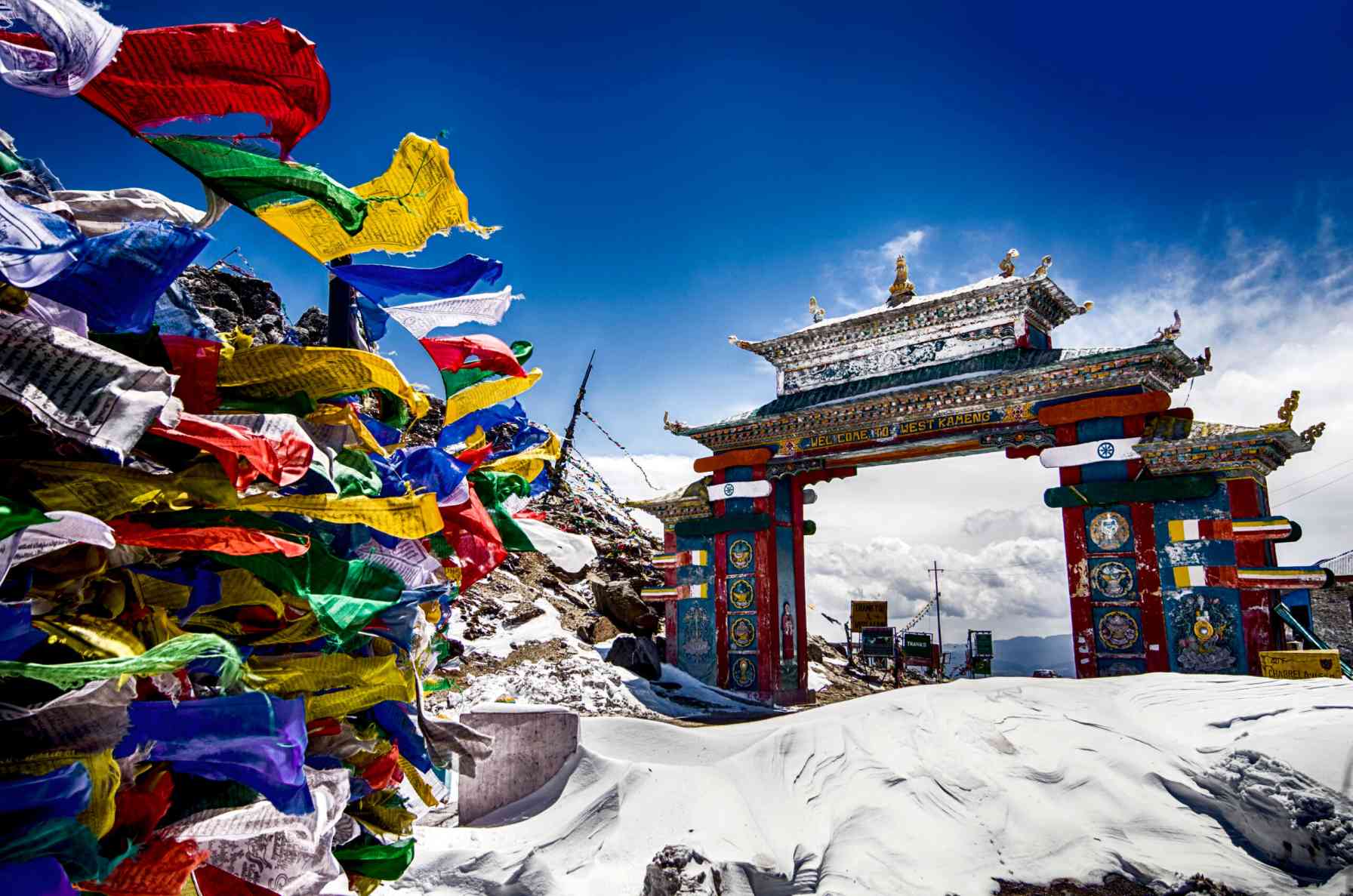
Arunachal and Meghalaya with Kaziranga Tour
1N Guwahati · 1N Bomdila · 2N Tawang · 1N Dirang · 1N Kaziranga · 1N Shillong · 2N Cherapunjee
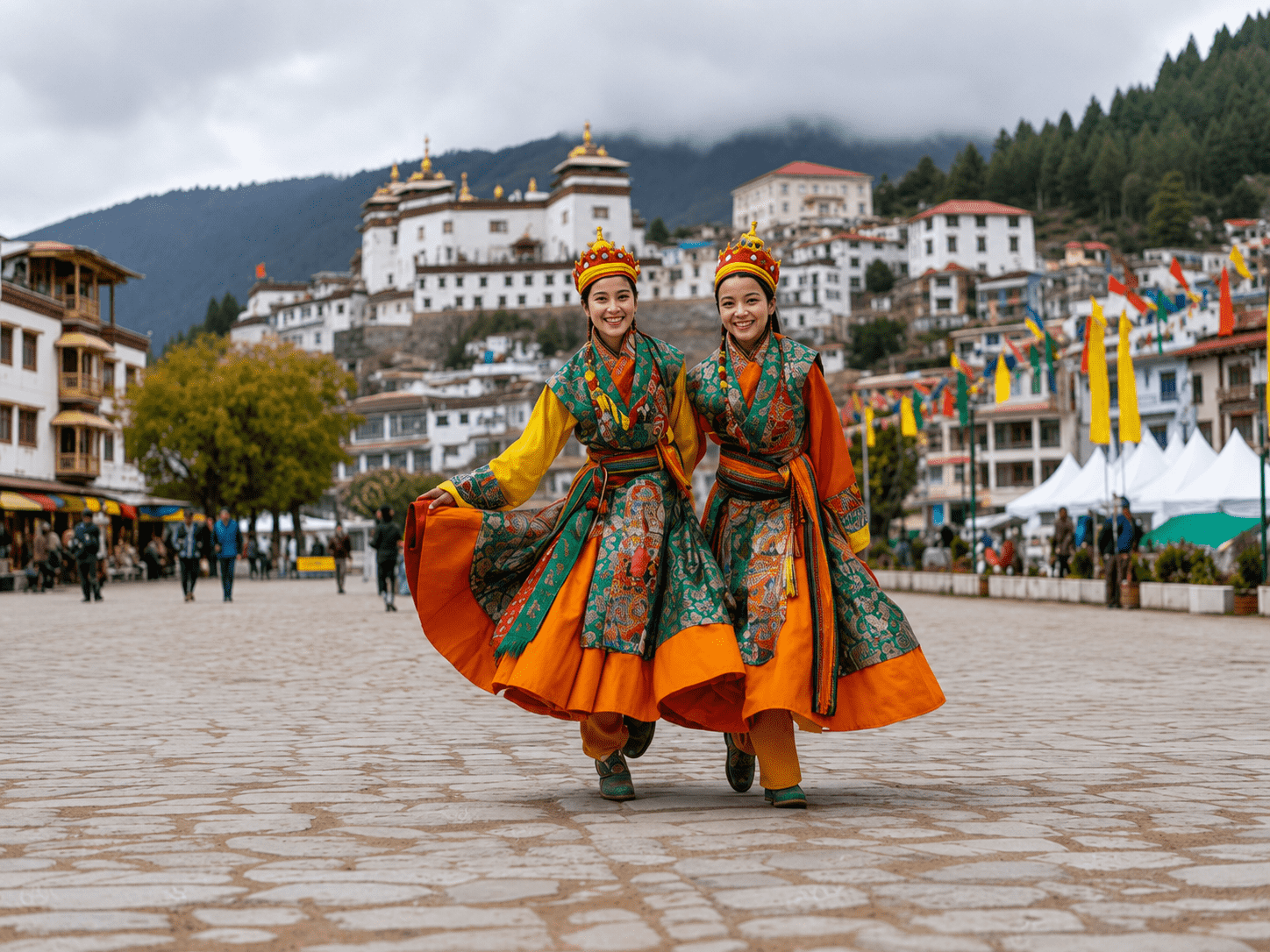
Discover Arunachal Pradesh
1N Bhalukpong · 1N Dirang · 2N Tawang · 1N Bomdila · 1N Guwahati
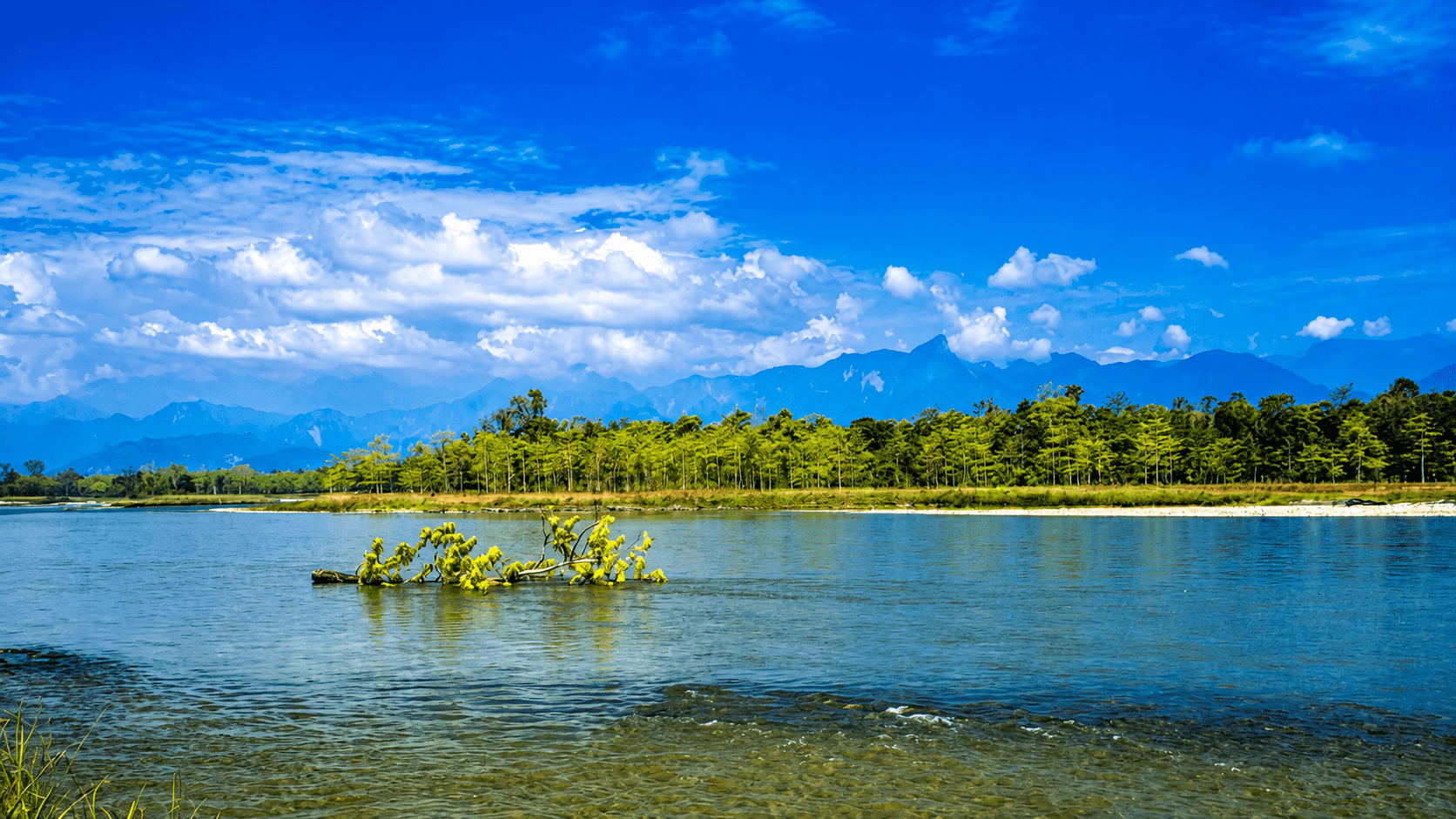
Authentic Arunachal Experience
1N Nameri · 1N Dirang · 2N Tawang · 1N Bomdila · 2N Itanagar · 2N Ziro Valley · 1N Guwahati
Looking for a hassle free trip?
Connect with our experts! Get the best Itineraries and Offers!