You wake before you mean to. It's the woodsmoke — thin and sweet, curling up from a hearth in the middle of the room where last night's embers are still breathing. Somewhere a kettle ticks, a rooster starts up, and through a small wooden window the paddy fields outside are silver with dawn mist. This is what a homestay in Ziro Valley actually is: not a room you booked, but a morning you get to borrow from someone else's life.
If you're the kind of traveller who's tired of identical hotel corridors and breakfast buffets, Ziro is going to reset something in you. And the single best decision you can make here isn't which sights to see — it's where you sleep.
This is a plain, been-there guide to staying in an Apatani home in Ziro: why it beats a hotel, what it costs, how to book without headaches, and how to find one near the festival ground if you're coming for September.
Why Choose a Homestay in Ziro Valley Over a Hotel?
Let's be honest about Ziro Valley accommodation: the hotels here are few and forgettable. A handful cluster around Hapoli, the small commercial town, and they'll give you a bed and four walls. That's about it.
A homestay gives you the valley itself.
In a hotel you're a guest. In an Apatani homestay you're briefly family — and that difference is the entire reason to come to Ziro. You eat what the household eats, cooked over the central fire. You get poured a bamboo mug of home-brewed rice beer whether you asked for it or not. You learn, without meaning to, how a family that's farmed the same terraces for generations actually lives.
There's a practical case too:
· Home-cooked meals are included or dirt cheap — and far better than anything a hotel kitchen manages here.
· Your hosts are your guides. They'll tell you which village walk is worth it, arrange a vehicle, point you to the good rice-beer.
· Your money stays in the community, not with an outside chain.
Living with the Apatani Tribe: What a Ziro Homestay Really Feels Like
The Apatani are the reason Ziro feels different from every other hill destination in India. They've farmed this bowl-shaped valley for centuries using a rice-and-fish system so clever it's studied by agronomists — the same flooded paddy grows rice and raises fish at once. Their faith, Donyi-Polo, worships the Sun and Moon. And the older women still wear the traditional nose plugs and faded facial tattoos you'll have seen in photographs — a practice the younger generations have let go.
Staying in an Apatani village homestay drops you straight into all of it.
The house itself is the first thing that gets you. Traditional homes are raised bamboo-and-pine structures with a hearth — the myda — set right in the middle of the main room. Everything happens around that fire: cooking, drying meat and chillies on the rack above it, warming your hands, the slow evening conversations. A traditional bamboo house stay in Ziro is worth seeking out over a modern concrete build precisely for this.
Then there's the food. Expect smoked pork, bamboo-shoot curry, hearty thukpa, fresh paddy-field fish, mountains of rice, and fermented dishes with a kick. And the rice beer — o, or apong — poured generously into bamboo mugs by hosts who genuinely want you to stay for one more.
By your second morning you stop feeling like a tourist and start feeling like a slightly useless family member who doesn't know how to husk rice. That's the good part.
Best Homestays in Ziro Valley: What to Look For
People search for the "best homestay in Ziro Valley" hoping for a ranked list. Here's the more useful truth: the best one is the one that matches how you want to spend your days — and knowing what to check matters more than any name.
Here's what a ground team actually looks at before recommending a place:
· Which village it's in. A homestay deep in Hong or Hija puts you inside daily Apatani life; one near Hapoli keeps you closer to shops, ATMs, and transport. Decide which you want.
· Traditional vs modern build. If you want the real experience, ask for a traditional bamboo house with the central hearth, not a newer concrete annexe.
· Meals included. The good homestays feed you home-cooked breakfast and dinner as part of the stay. Confirm this — it's half the reason to be there.
· Distance from the festival ground (if you're coming in September — more on this below).
· How you book. Many family homestays aren't on the big booking sites at all. Some are coordinated through community networks like the Ngunu Ziro initiative, and the best ones are often found through a local operator who knows the families personally.
A tip most guides won't tell you: don't over-optimise for "luxury." The magic of Ziro is in the modest homes with the warmest hosts, not the fanciest listing.
Where to Stay in Ziro Valley: Old Ziro, Hapoli & Village Options
So where to stay in Ziro Valley, exactly? The valley splits into a few distinct areas, and each gives you a different trip.
Old Ziro is the older settlement, closer to the traditional Apatani villages and the paddy landscape. This is where the atmospheric homestays are — quieter, greener, more authentic. Choose here for the full cultural immersion.
Hapoli (locals just call it Ziro town) is the newer commercial hub. It's where you'll find the ATMs, the market for last-minute rain gear, most of the hotels, and easier transport connections. Handier, less magical.
The villages are where the heart is. Hong — one of the largest tribal villages in the region — along with Hija, Hari, Bamin-Michi, Dutta, and Siiro each host family homestays scattered among the terraces. From most of them you can walk out into rice fields, pine groves, and kiwi orchards, and reach spots like Siikhe Lake, Kile Pakho ridge, and the Tarin fish farm.
My honest steer: if this is your first Ziro trip and you want to remember it, base yourself in a village homestay near Old Ziro and treat Hapoli as the place you drive into for cash and supplies. You lose a little convenience and gain the whole reason you came.
Homestay Near the Ziro Festival Ground: A Guide for 2026 Visitors
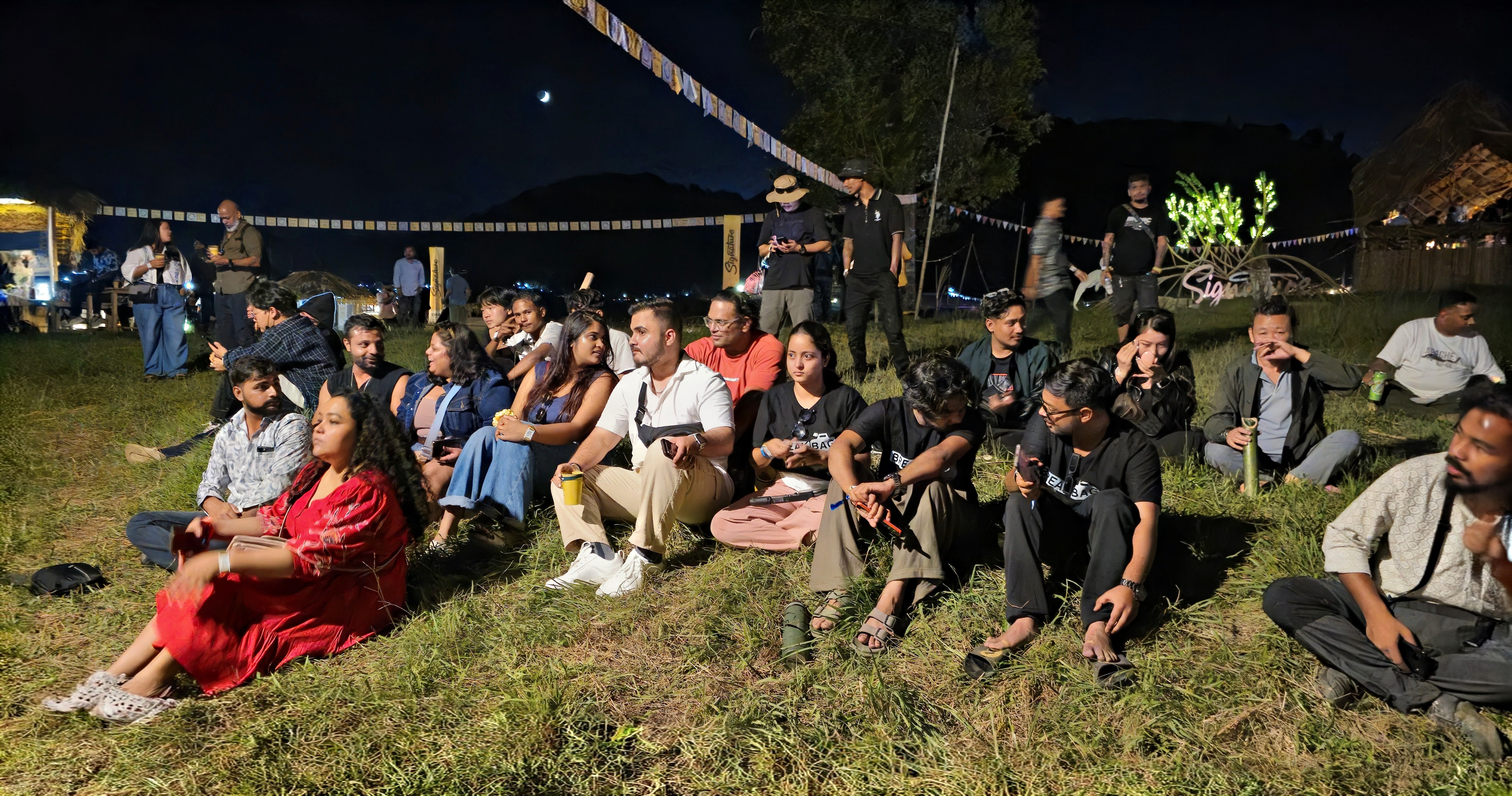
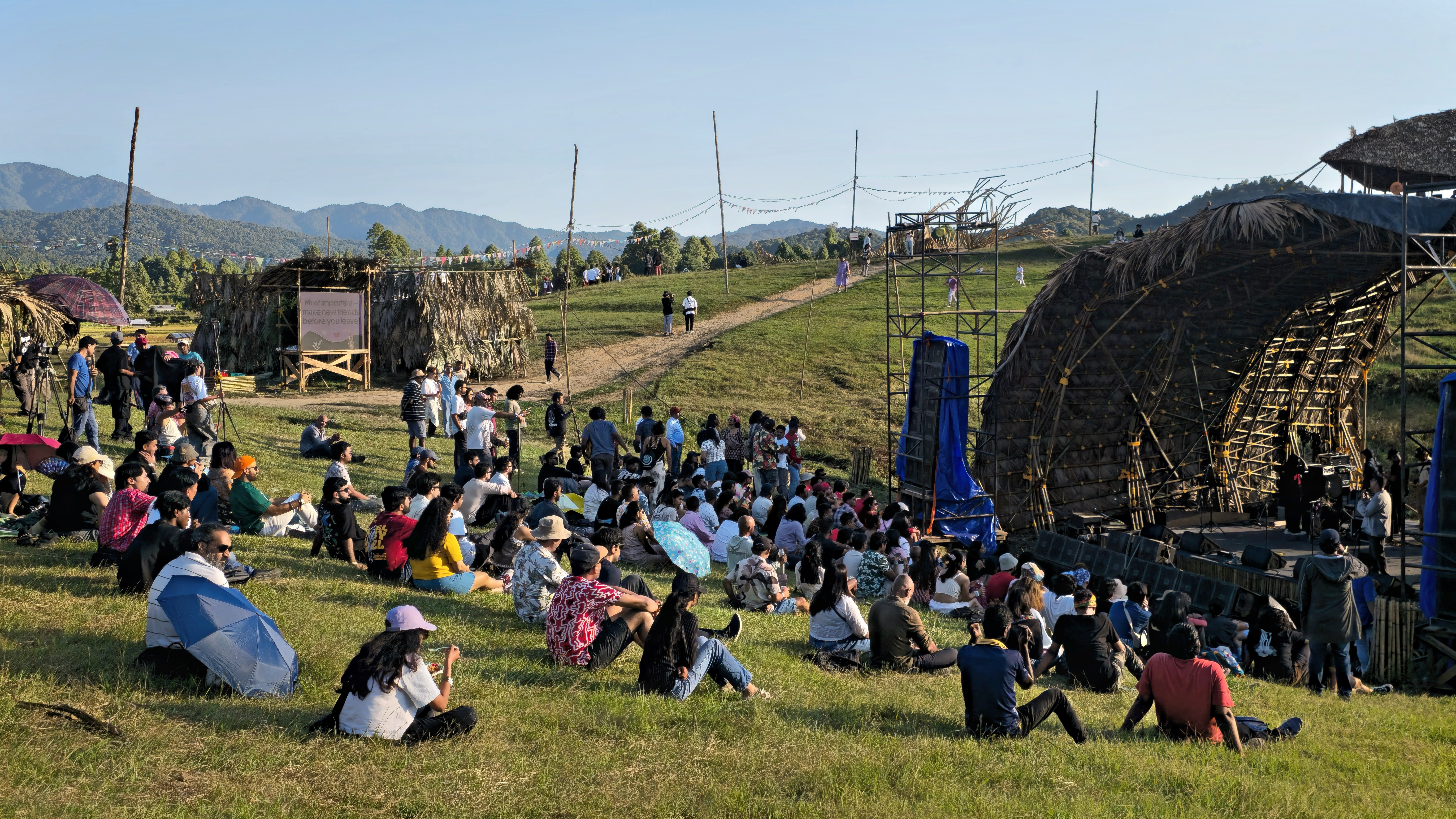
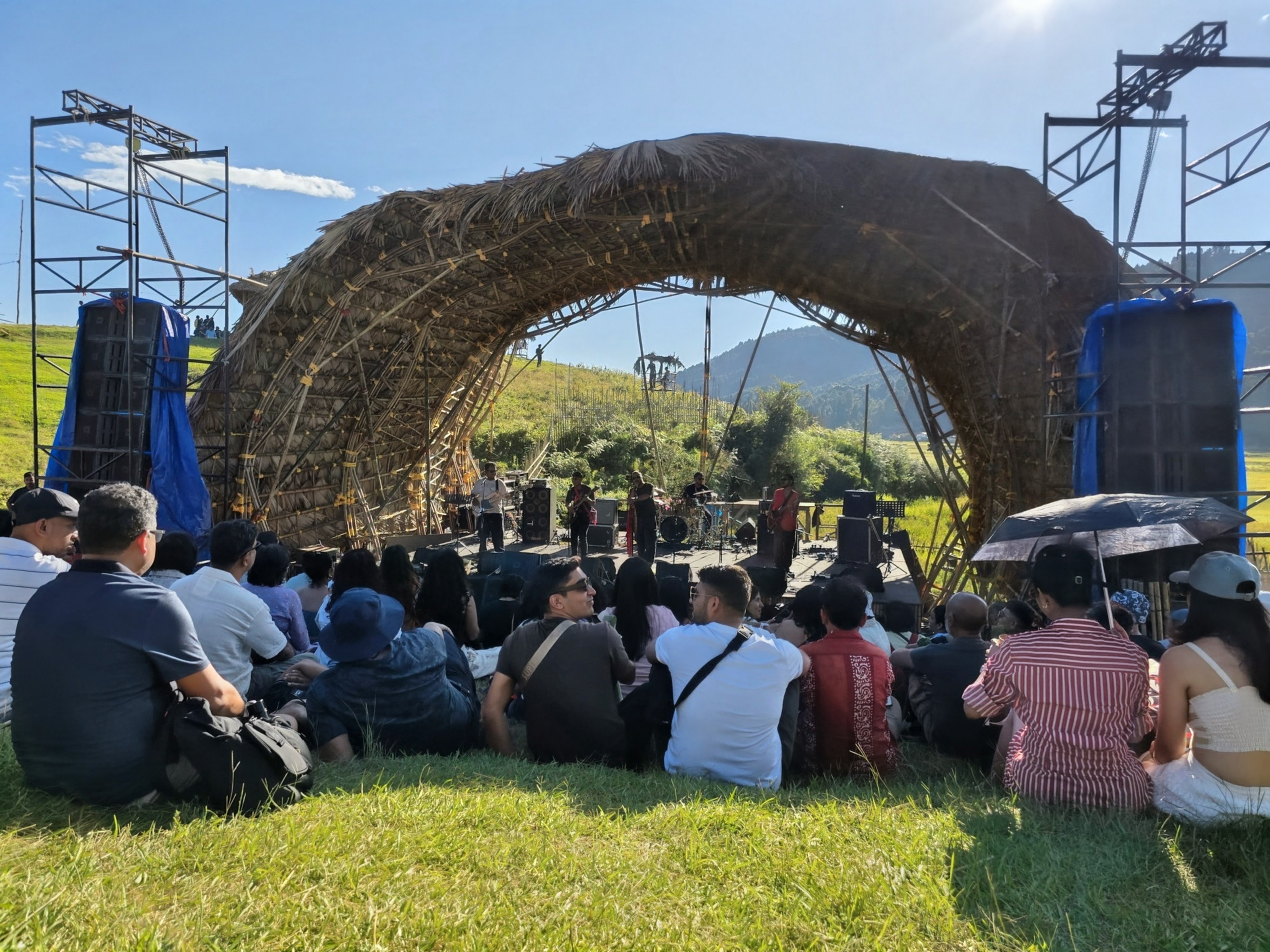
If you're coming for the Ziro Festival of Music — running 24 to 27 September 2026 — the rules of the game change, and you need to plan differently.
Here's the thing nobody tells first-timers: most homestays in Ziro Valley are scattered across the villages, often a fair drive from the festival ground. During the festival, transport in and out at night gets scarce and slow. A dreamy homestay 12 km away can mean a cold, uncertain wait for a ride back at 1 a.m.
So for festival week specifically:
· A homestay near the Ziro Festival ground — within a short, walkable distance — is worth prioritising over a prettier one further out. Ask hosts for the exact distance in kilometres, not "close by."
· Book absurdly early. Every bed near the ground, homestay or otherwise, is gone months before September. This isn't a place you sort out a week ahead.
· Weigh Ziro Festival camping vs homestay honestly. Camping at the ground is loud, communal, and puts you steps from the stages — ideal if the music is the point. A homestay is quieter, warmer, and better for sleep and culture — ideal if the valley is the point.
Plenty of people do a hybrid: camp for the festival nights, then move to a homestay for a couple of slower days after the crowds leave. That last part — Ziro after the festival packs up — is a secret worth keeping.
Ziro Homestay Cost, Booking & What's Included
Let's talk money and logistics, because "homestay in Ziro Valley price" is what everyone really wants to know.
As a realistic guide, homestays in Ziro run roughly ₹1,000 to ₹3,000 per person per night, usually including home-cooked breakfast and dinner. Simpler village rooms sit at the lower end; more comfortable set-ups with private bathrooms cost more. During festival week (late September), expect prices to climb and availability to vanish — that's supply and demand, not anyone gouging you. Rates shift, so always confirm the current figure at the time of booking.
What a good homestay stay typically includes:
· A bed in a family home, often with shared or basic private bathrooms
· Home-cooked local meals — the highlight
· Hosts who'll help arrange guides, vehicles, and village walks
· Endless rice beer and conversation, on the house
What it usually doesn't include: transport to and around the valley, entry fees to sights, your Inner Line Permit, and — during the festival — your festival pass, which is always bought separately.
On booking: many family homestays aren't listed online at all, and the ones that are can be unreliable to reach directly during peak season. This is exactly where a decade-old operator with real relationships in the valley earns its keep — we book direct with families we actually know, handle your permit, and sort transfers, so you're not cold-calling a homestay that may or may not answer. Have a look at our Ziro tour packages if you'd like the whole thing handled in one booking.
You come to Ziro for the music or the mist, but it's a stranger's fireside that you carry home.
Want to wake up to woodsmoke and paddy mist instead of a hotel corridor? Tell us your dates and we'll match you with an Apatani family we actually know — permit, meals, and transfers sorted. Send us an enquiry and we'll get back within a day.