


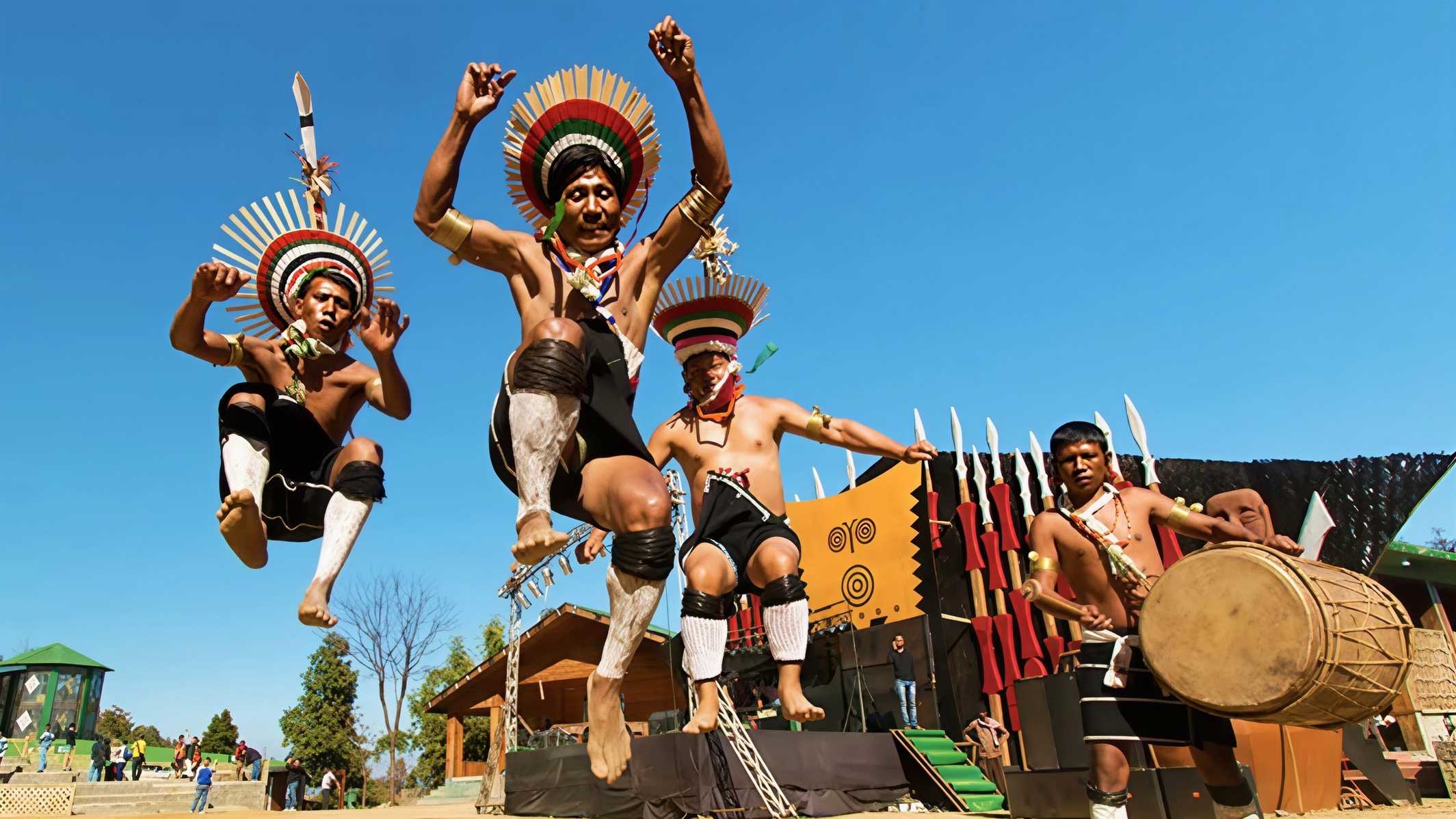
How to Reach Kohima & Kisama for Hornbill Festival: Flights, Trains & Road Routes
Every year around late November, we get the same message from travellers who've just booked their Hornbill Festival trip: "Okay, we're coming — now how on earth do we actually get to Kisama?" It's a fair question. Nagaland sits tucked into the far northeast of India, there's no airport in Kohima, no train that climbs into the hills, and the last stretch is all winding mountain road. If you've only ever flown into a city and grabbed a cab to your hotel, planning a Hornbill trip feels like a different kind of puzzle.
The good news: once you understand how the pieces fit — which airport, which railhead, and how the road connects them to Kohima and then to Kisama — it's genuinely straightforward. We've run this route more times than we can count, and this guide lays out every option honestly, including the ones nobody tells you about until you're standing at Dimapur station wondering what to do next. Whether you're flying in from Delhi, training up through Assam, or driving the whole way, here's how to reach the Hornbill Festival without the stress.
First, Where Exactly Is the Hornbill Festival?
⇒ Official Hornbill Festival ⇐
Before we talk routes, let's fix the geography in your head, because this trips up a lot of first-timers.
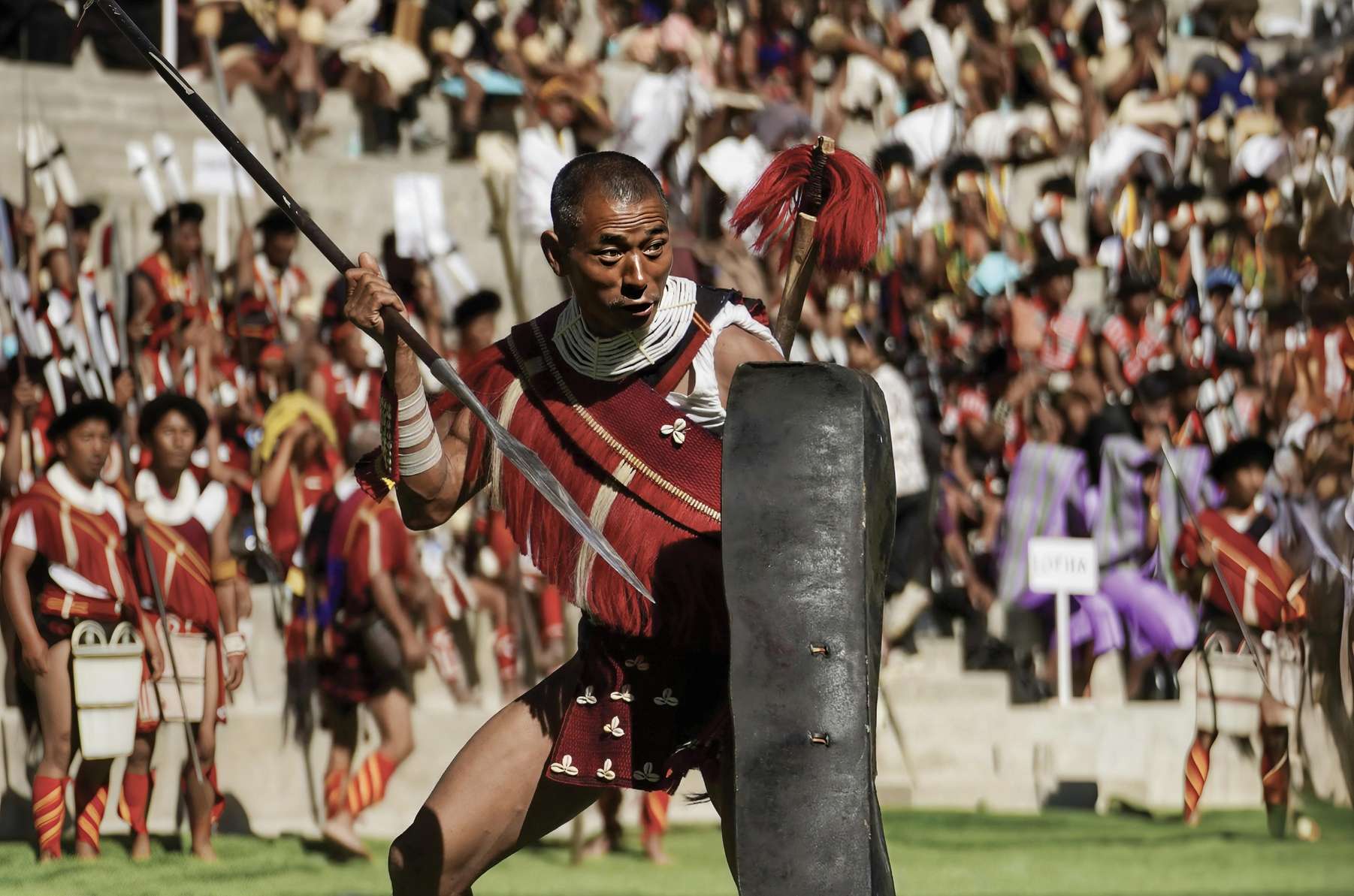
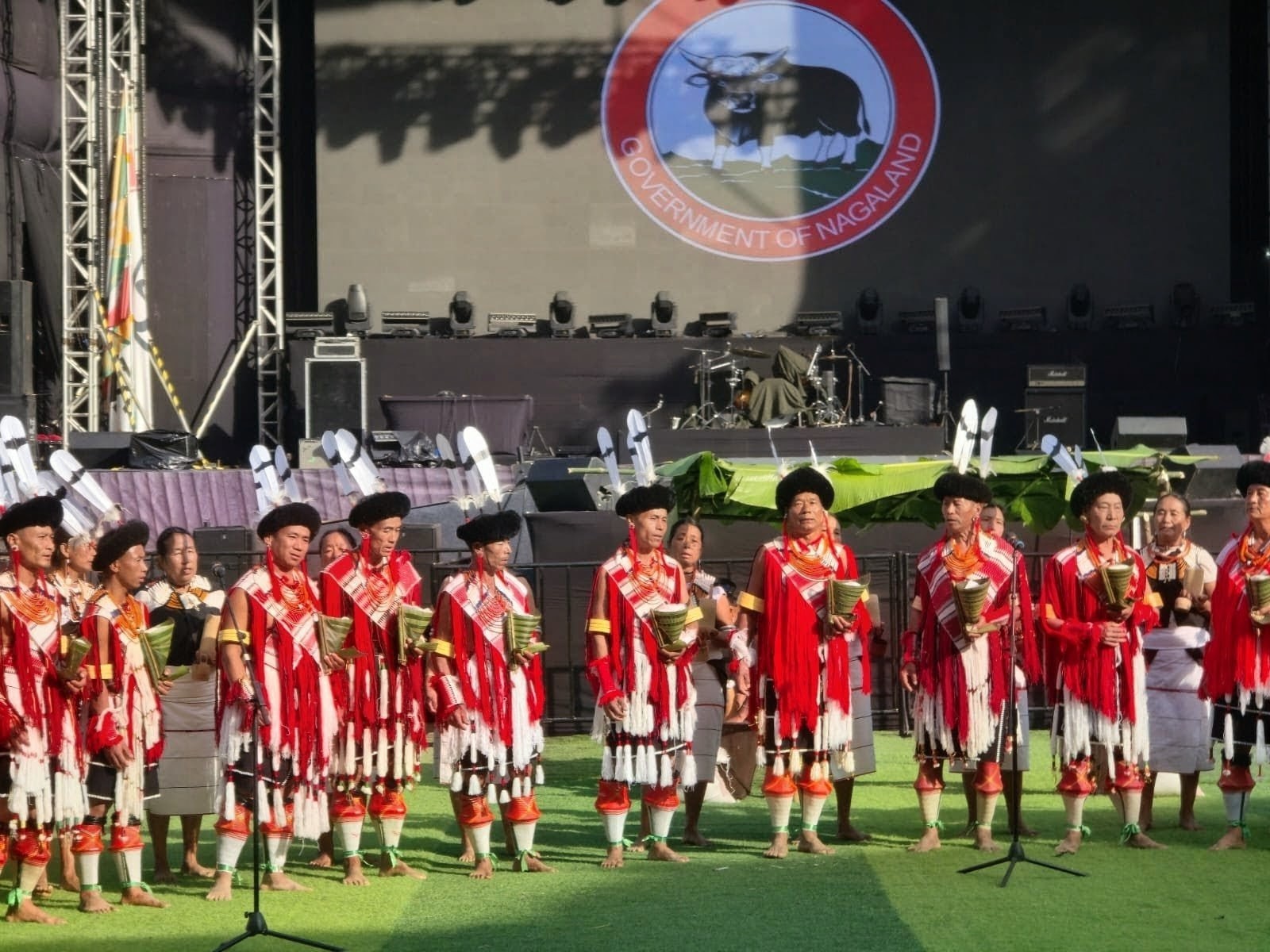
The Hornbill Festival takes place at Kisama Heritage Village, a purpose-built cultural village about 12 km south of Kohima, Nagaland's capital. It runs on the same fixed dates every year — 1 to 10 December — so unlike most festivals, you never have to second-guess when it's on. Kohima is where you'll base yourself: the hotels, homestays, markets, and evening events are here. Kisama is where the festival itself happens, a short drive out of the city each morning.
So your journey has two legs to solve. First, get yourself to Kohima — that's the main challenge, since Kohima has no airport or railway of its own. Second, hop the easy 12 km from Kohima to Kisama each festival day. Almost everything below is about cracking that first leg, because once you're in Kohima, reaching Kisama is the simple part.
Complete Hornbill Festival guide →
The Gateway: Why Every Route Runs Through Dimapur
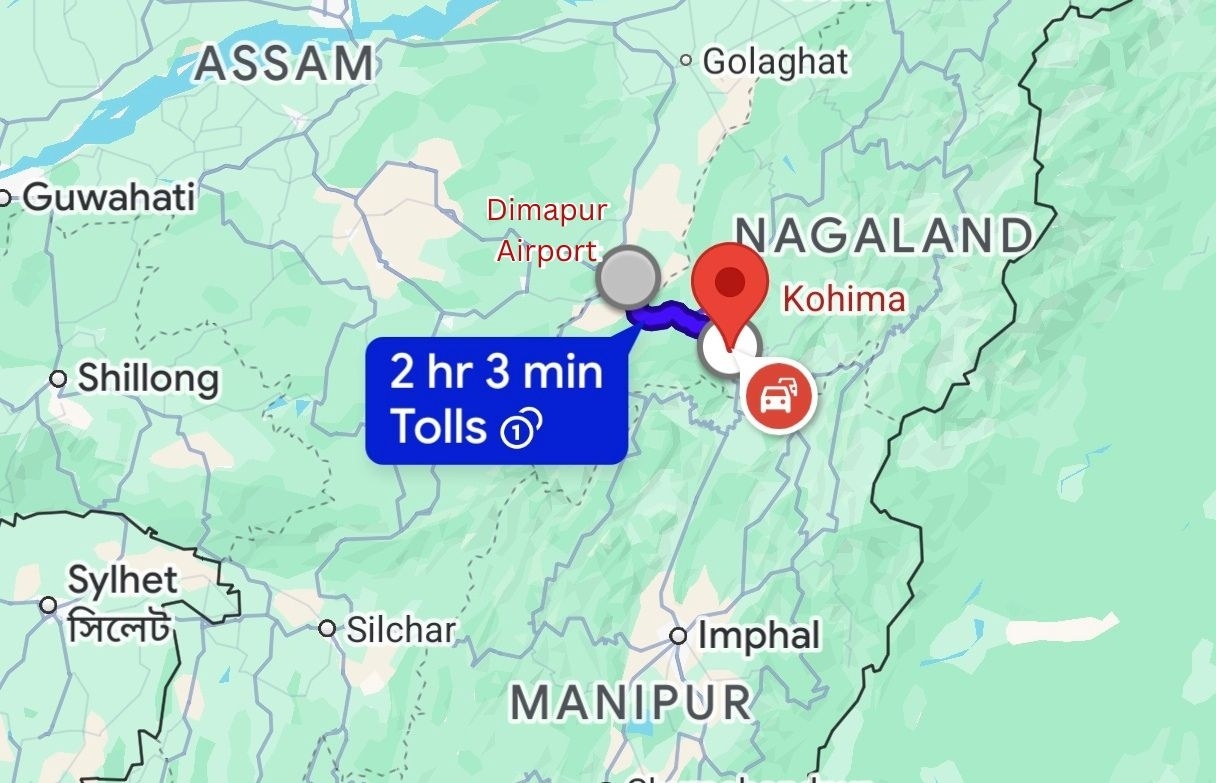
Here's the single most important thing to understand about reaching Kohima: almost everyone comes through Dimapur.
Dimapur is Nagaland's only city with both an airport and a major railway station, which makes it the natural gateway to the entire state. It sits in the plains, about 74 km from Kohima, and the drive up into the hills takes roughly 2.5 to 3 hours depending on traffic and road conditions — which get noticeably busier during festival week, so build in buffer time.
Whether you fly or take the train, the pattern is the same: reach Dimapur, then travel by road up to Kohima. Get that mental model right and the rest of your planning falls into place. The rest of this guide simply walks through your options for reaching Dimapur, plus the alternative of coming overland via Guwahati.
Option 1: Reaching Hornbill Festival by Flight
Flying is the fastest and most popular way in. You have two realistic airport choices.
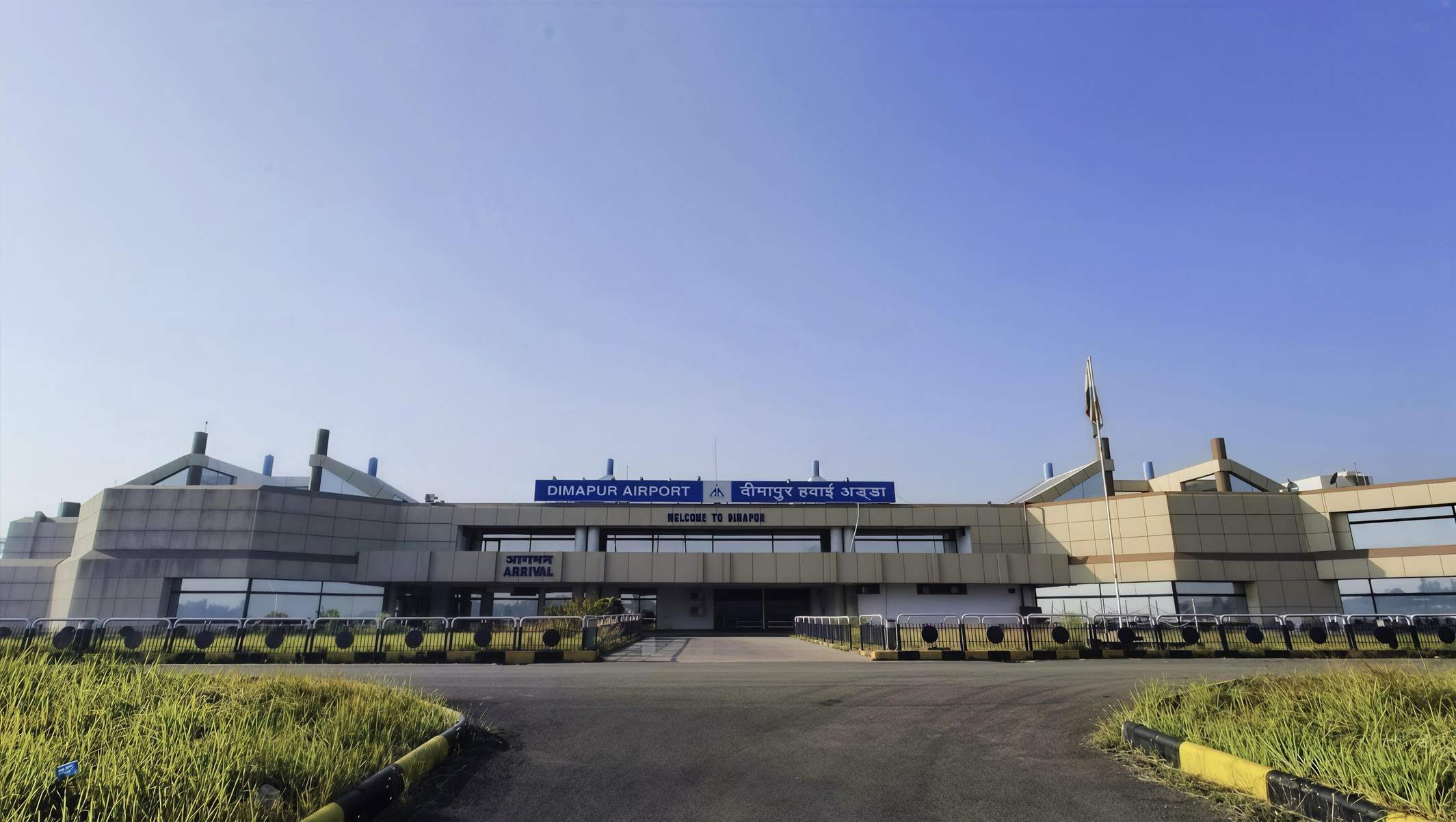
Dimapur Airport (DMU) is the obvious one — it's inside Nagaland and closest to Kohima. It has direct and connecting flights from major hubs like Kolkata, Guwahati, and Delhi, though the schedule is limited and seats fill fast during Hornbill season. Book early; December fares to Dimapur climb steeply as the festival approaches.
Guwahati Airport (GAU) in neighbouring Assam is the smart backup, and often the better one. Guwahati is a far bigger airport with many more flights from across India at more competitive prices. The trade-off is distance: from Guwahati it's a longer road journey to Kohima (broadly 8 hours or so), but for many travellers the wider flight choice and lower airfares make it worthwhile — especially in a group where a shared vehicle from Guwahati becomes economical.
Our honest take: check Dimapur first for convenience, but always price Guwahati as an alternative. On busy festival dates, the Guwahati option can save you a surprising amount and give you more flexible timings.
Option 2: Reaching Hornbill Festival by Train
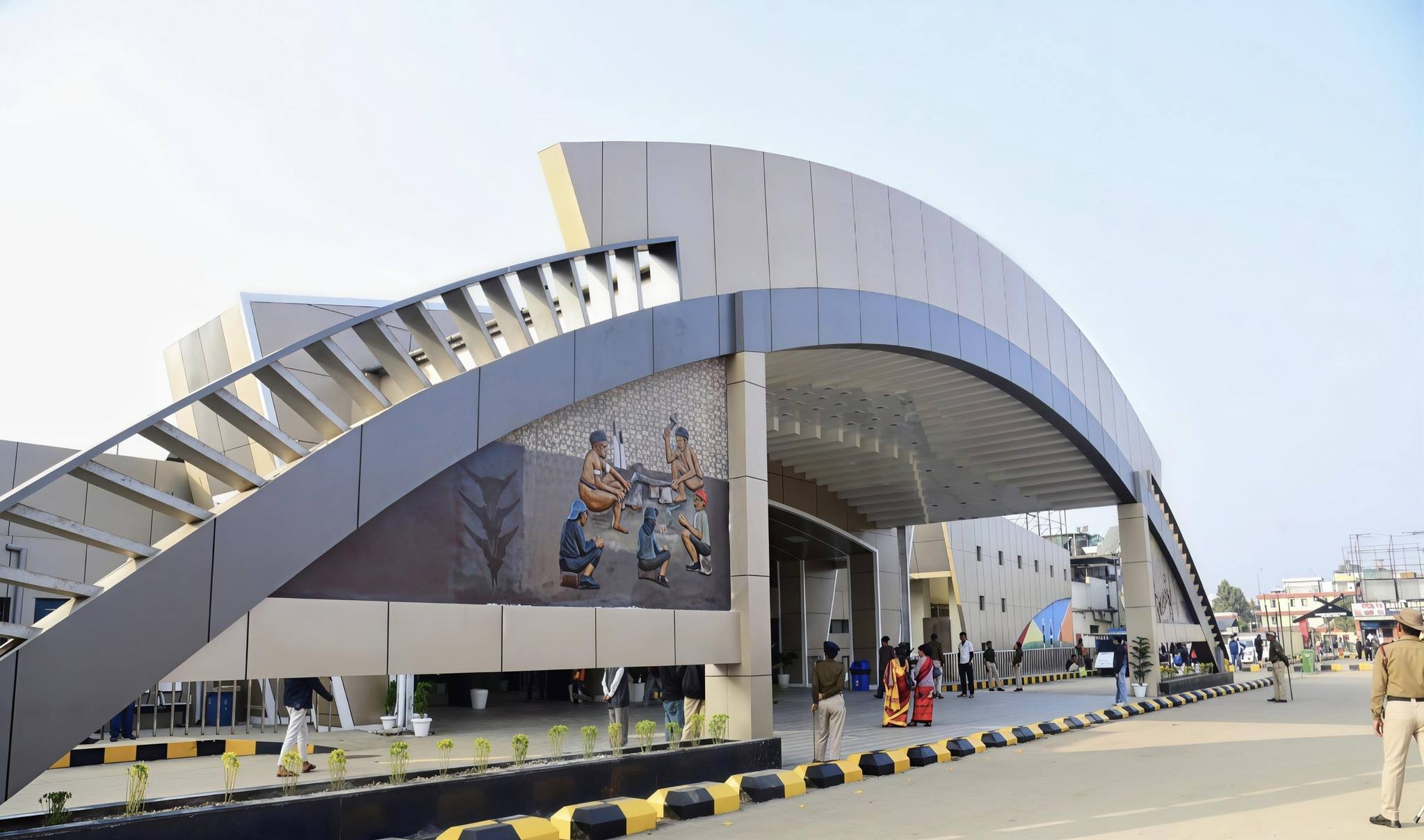
Let's clear up the biggest misconception first: there is no railway station in Kohima. Trains don't climb into the hills. So if you're travelling by rail, your destination is Dimapur Railway Station (DMV), the state's main railhead, which you can check trains and book on IRCTC, and then you drive up.
Dimapur is well connected by train to Guwahati and, via Guwahati, to major cities like Kolkata, Delhi, and beyond. For budget-conscious travellers and those who enjoy the journey, an overnight train into Dimapur followed by a morning drive to Kohima is a comfortable, scenic way to arrive. Just remember to factor in that final Dimapur to Kohima road leg of 2.5 to 3 hours when planning your arrival time — you want to reach Kohima with daylight to spare, not late at night.
If you can't find a direct train to Dimapur from your city, route via Guwahati, which is the region's main rail junction, and continue from there by train or road.
Option 3: Reaching Hornbill Festival by Road
For the adventurous — and for anyone already exploring the Northeast — the road journey is a genuine highlight rather than just a means to an end.
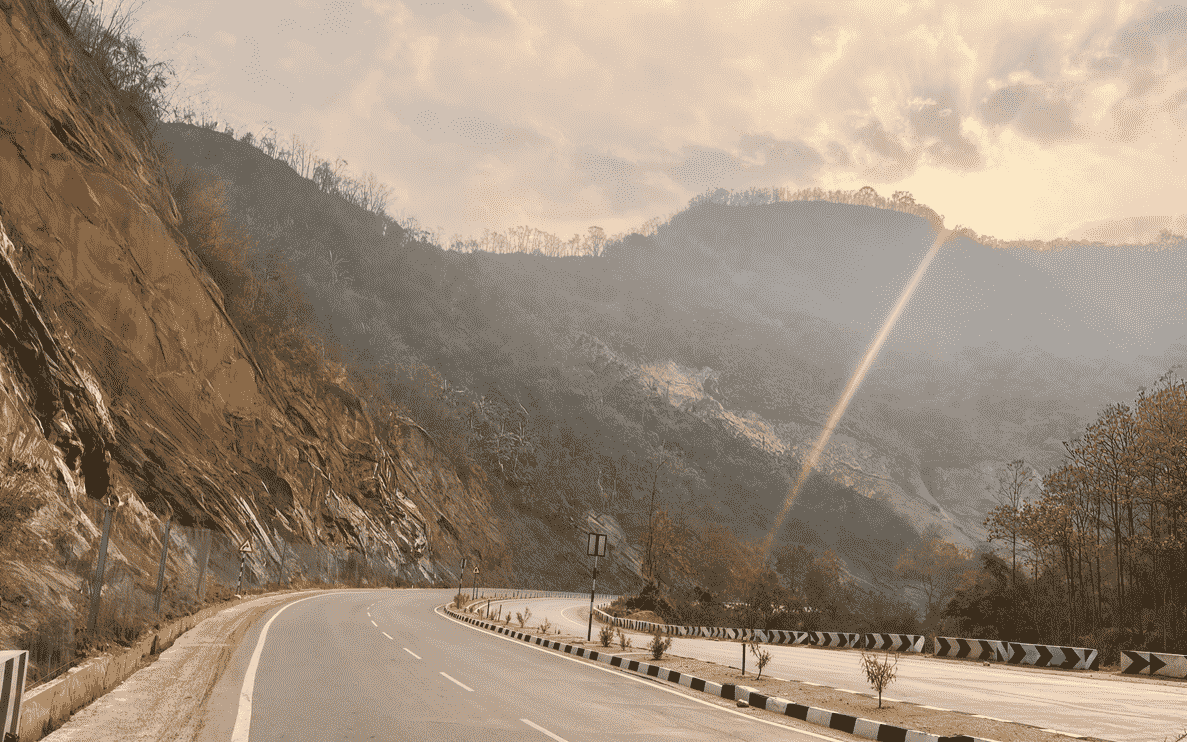
The most common overland route is Guwahati to Kohima, a drive of roughly 8 hours through changing landscapes as the plains give way to Nagaland's hills. Shared taxis, private cabs, and state buses all run this corridor, though during Hornbill week demand spikes and pre-booking your vehicle is strongly advised.
The shorter, standard road leg everyone does is Dimapur to Kohima — that 74 km, 2.5-to-3-hour climb up NH-29. Taxis and shared Sumos are readily available at Dimapur airport and station, but again, festival week means crowds and higher fares, so arranging transport in advance saves both time and stress. If you're driving yourself, the roads are mostly good but hilly and winding; don't plan on high average speeds.
However you travel this last stretch, the arrival is worth it: rounding the hills into Kohima, cool mountain air replacing the plains' warmth, you feel the trip properly begin.
Don't Forget: You Need an Inner Line Permit (ILP)
This is the step that catches unprepared travellers out at the last minute, so treat it as part of your route planning, not an afterthought.
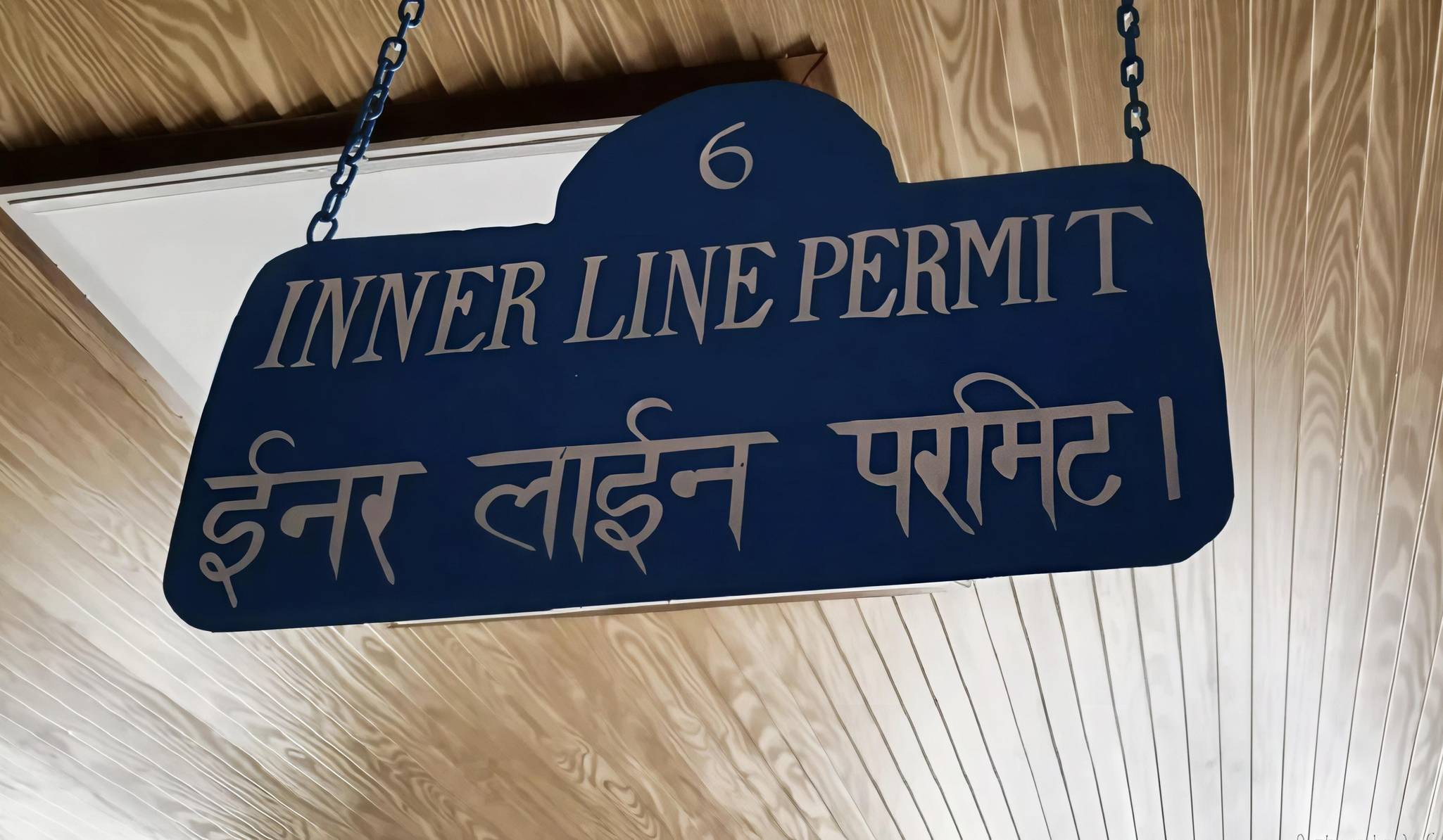
Every Indian citizen from outside Nagaland needs an Inner Line Permit (ILP) to enter the state, and foreign nationals have their own registration requirements. Without it, you can be turned back — so sort this before you travel, not on arrival. The permit is straightforward to obtain online in advance, and you can find the official process on Nagaland's ILP portal. If you travel with us on a package, we arrange your permit as part of the booking, so it's one less thing on your list.
Plan the permit alongside your tickets, not after. It's the small detail that quietly makes or breaks a smooth arrival.
The Final Leg: Getting from Kohima to Kisama
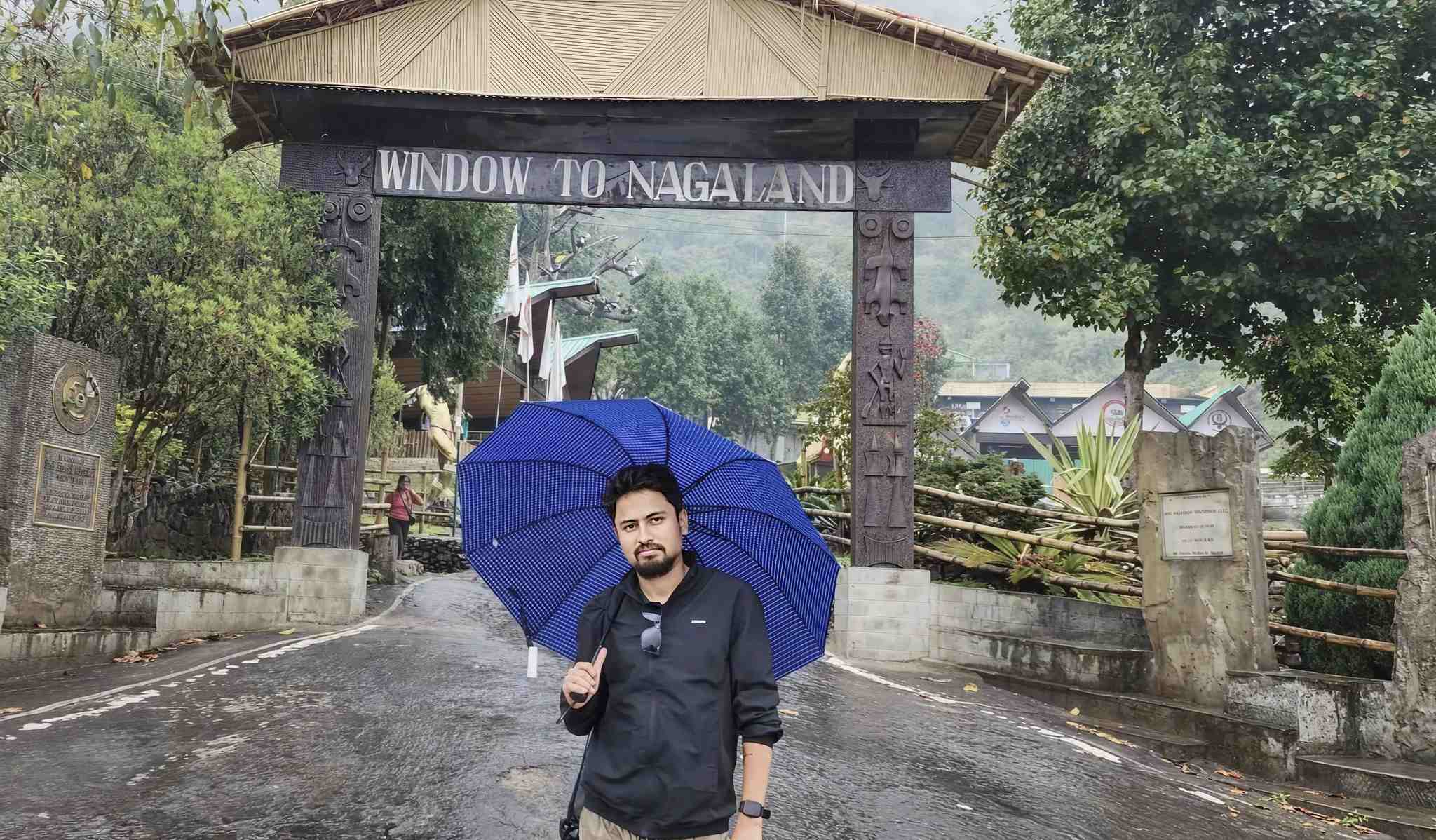
Once you're settled in Kohima, the last piece is delightfully simple. Kisama Heritage Village is just 12 km south of Kohima, a drive of around 30–40 minutes depending on festival-day traffic, which does build up as everyone heads to the venue each morning.
You have a few options: local taxis, shared cabs, or — the easiest by far — transport arranged as part of your stay or tour. Festival activities at Kisama typically start around 9 AM, and mornings see a steady stream of vehicles heading out from Kohima, so leaving a little early beats the queue and gets you a good spot for the opening performances.
If you'd rather not negotiate taxis every morning in a place you don't know, this is exactly the kind of friction our Hornbill Festival tour packages remove — daily Kisama transfers, permits, and Kohima stays all handled, so your only job is to enjoy the festival.
Which Route Is Right for You?
To bring it together simply: if you want speed and convenience, fly into Dimapur and drive up to Kohima. If you want cheaper fares and more flight choice, fly into Guwahati and take the longer scenic drive. If you're on a budget or love the journey, train into Dimapur and drive up. And if you're already touring the Northeast, the Guwahati–Kohima road ties Nagaland neatly into a wider trip.
Whichever you choose, three rules hold: come through Dimapur (or Guwahati), sort your ILP in advance, and book festival-week transport early because everything fills up. Get those right and the hardest part of your Hornbill trip is already solved.
"The road to Kohima is long — but no one who's stood in Kisama at first light has ever said it wasn't worth it."
Ready to Plan Your Hornbill Festival Trip?
Hornbill Festival 2026 runs 1–10 December at Kisama, and the routes into Nagaland get busy fast — flights, trains, and vehicles all fill as December nears. If you'd rather skip the logistics maze entirely, our Hornbill Festival 2026 tour packages handle your Dimapur or Guwahati transfers, ILP permit, Kohima stay, and daily Kisama transfers, so you arrive relaxed and ready. Message us to plan your route and lock your dates — the earlier you book, the smoother the journey.
Similar Destination

Looking for a hassle free trip?
Connect with our experts! Get the best Itineraries and Offers!