


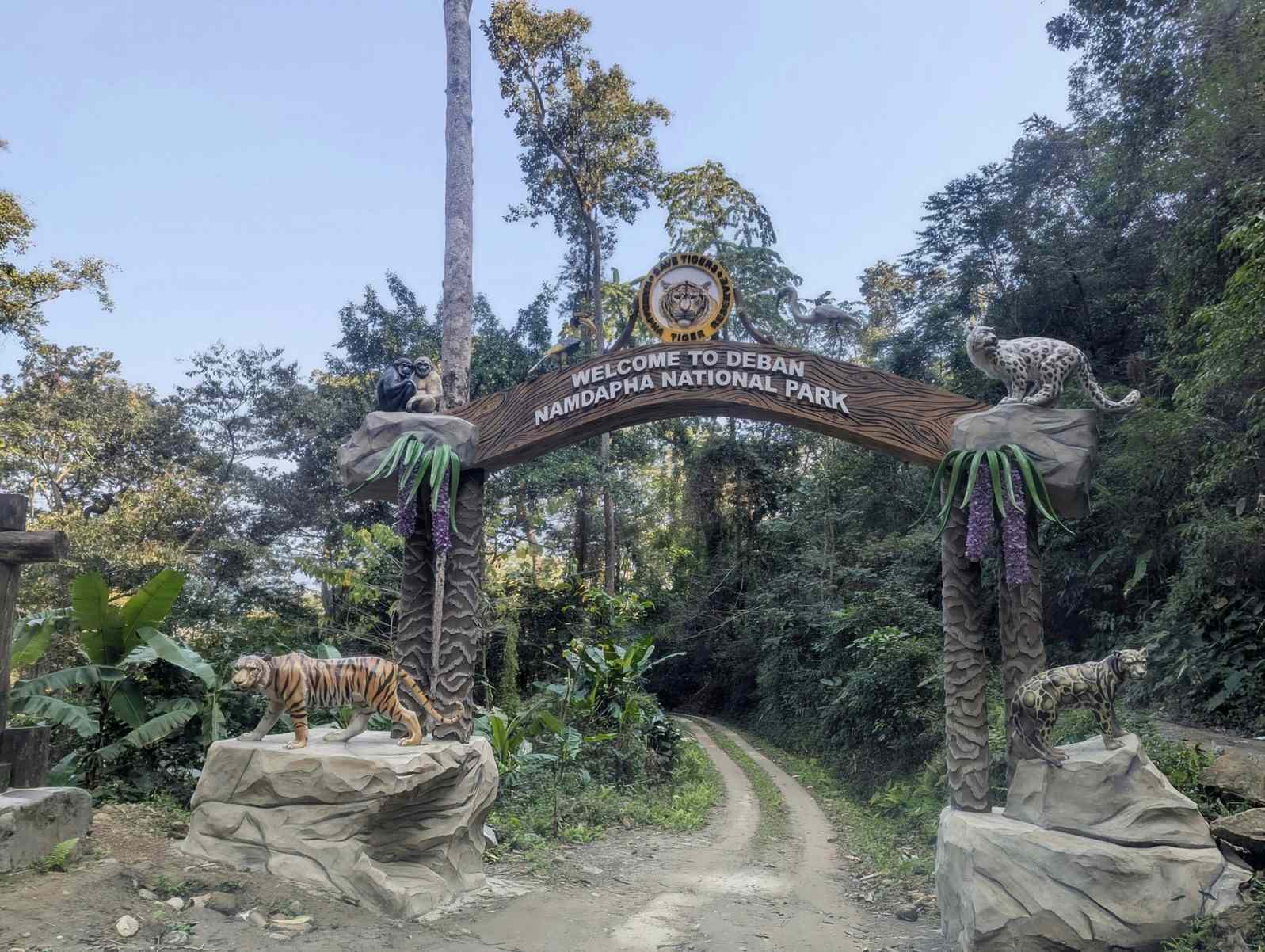
Namdapha National Park Tourism 2026 — Wildlife Safari in India's Most Unexplored National Park
The National Park That India Forgot to Discover
Close your eyes and think about India's most famous national parks. Ranthambore, perhaps — with its iconic tigers posing on ancient fort walls. Or Kaziranga, where one-horned rhinos wade through golden grasslands. Or Jim Corbett, where weekend jeep safaris are booked months in advance.
Now forget all of them.
Because tucked into the extreme northeast corner of India, in the Changlang district of Arunachal Pradesh, lies a national park so vast, so wild, and so extraordinarily biodiverse that it makes every other protected area in India look tame by comparison.
Namdapha National Park covers over 1,985 square kilometres of unbroken wilderness — stretching from subtropical rainforests at 200 metres elevation all the way up to permanent snowfields above 4,500 metres. It is the third largest national park in India. It is a UNESCO World Heritage tentative site. It is the only place on earth officially recorded to host all four wild big cat species — tiger, leopard, snow leopard, and clouded leopard — within a single protected area.
And yet, in 2026, most Indians have never heard of it.
That is about to change. This is your complete guide to Namdapha National Park tourism in 2026 — everything you need to know to plan the wildlife safari of a lifetime.
What Makes Namdapha So Extraordinary?
Before we get into the logistics, let's talk about why Namdapha deserves a category of its own.
The Four Big Cats
There is no other national park in the world — not in India, not in Africa, not in Southeast Asia — that is home to all four species of big cats simultaneously. Tigers patrol the lower subtropical forests. Leopards move through mid-elevation zones with fluid, silent confidence. Clouded leopards — one of the most elusive and beautiful cats on earth — haunt the dense canopy of the mid-hill forests. And somewhere in the high snowfields above the treeline, snow leopards exist in their usual ghostly, barely-confirmed way.
Seeing any one of these cats in the wild is a life event. The fact that all four share this one landscape is nothing short of miraculous.
The Birds — Over 400 Species
For birdwatchers, Namdapha is not just a good destination. It is a pilgrimage site.
The park lies within the Eastern Himalaya biodiversity hotspot and sits at the confluence of multiple ecological zones — Indo-Malayan, Himalayan, and Indo-Chinese. The result is an avian diversity so staggering that ornithologists have been cataloguing it for decades and still haven't finished.
Among the headline species: the White-winged Wood Duck (one of the rarest ducks on Earth, with Namdapha being one of its last strongholds), the Great Hornbill, Rufous-necked Hornbill, Ward's Trogon, Beautiful Nuthatch, and dozens of species that exist nowhere else in India.
Serious birdwatchers have been known to spend two weeks inside Namdapha and still leave with a list of birds they didn't manage to see.
The Mammals — A Complete Himalayan Ecosystem
Beyond the big cats, Namdapha shelters an astonishing mammal community. Hoolock gibbons — India's only apes — swing through the upper canopy, their haunting calls echoing across valleys at dawn. Asian elephants move through the lower forests in small herds. Red pandas inhabit the bamboo-rich mid-elevation zones. Gaur (Indian bison), Sambar deer, barking deer, and wild pigs form the prey base that keeps the predator ecosystem functioning.
The park also hosts Himalayan black bears, sun bears, binturongs (also called bearcats — extraordinary, tree-dwelling carnivores), and the Namdapha flying squirrel — a species discovered in 1981 and found nowhere else on Earth.
The Plants — A Living Pharmacy
Over 1,000 plant species have been documented in Namdapha, including more than 150 species of orchids. The forests range from tropical evergreen at the lower elevations to temperate oak and rhododendron forests higher up, to alpine meadows near the snowline. Walking through these forests is like moving through geological time — each elevation band a different world.
The Lisu Tribe — The Original Guardians of Namdapha
No guide to Namdapha would be complete without talking about the people who have lived inside it for centuries.
The Lisu tribe (also spelled Lishu or Yobin) is one of India's smallest and most isolated tribal communities, with a global population concentrated mainly in Myanmar, China, and Thailand. The small Lisu community in Namdapha is India's only Lisu population, living in the village of Gandhigram inside the park boundary.
The Lisu are remarkable forest people. Their knowledge of the Namdapha ecosystem — every plant, every animal track, every weather pattern — is encyclopedic. They are the best trackers in the region, and experienced wildlife guides from the Lisu community can take you places inside the forest that no map shows and no tourist has seen.
Visiting Gandhigram and spending time with the Lisu community is an integral part of the Namdapha experience. Their traditional wooden houses, distinctive clothing, oral traditions, and extraordinary forest wisdom offer a cultural dimension to the safari that you will find nowhere else in India.
Responsible note: Always visit with a licensed guide, seek permission before entering the village, and do not photograph people without consent. The Lisu community's privacy and dignity must be respected at all times.
Namdapha Safari Experience — What to Expect
Let's be completely honest with you: Namdapha is not Ranthambore.
There are no open-top jeeps driving down well-maintained safari roads. There are no designated tiger zones where guides promise sightings in exchange for an extra tip. The park is raw, dense, and unmerciful in the way that truly wild places are. You will walk. You will sweat. You will strain your ears for sounds and your eyes for movement in the undergrowth. And you may walk for hours without seeing a single large mammal. But here is what you will almost certainly see and experience:
Morning forest walks along the Noa-Dihing river — one of the most pristine river corridors in India — where the water is so clear you can see the riverbed at three metres depth, and where Gangetic river dolphins occasionally venture upstream.
Dawn birdwatching sessions in the buffer zones, where the forest erupts into sound as the light arrives — hornbills calling, gibbons whooping, and dozens of species filling the canopy in a symphony of life.
Elephant encounters in the lower forest zones — not the managed encounters of a resort, but real, wild, unpredictable elephants moving through the forest on their own ancient routes.
Night walks (with a licensed guide) where the forest reveals an entirely different cast of characters — civets, flying squirrels, owlets, and the occasional eye-shine of something larger watching from the dark.
And if you are extremely lucky, patient, and spend enough days in the right zones — a big cat sighting that will stay with you for the rest of your life.
Zones and Key Areas Inside Namdapha
Deban — The Entry Point and Base Camp
Deban is the main entry point and the most visited area of Namdapha. Located about 26 km from Miao town, it sits at the confluence of the Noa-Dihing and Deban rivers and serves as the base for most wildlife activities. The Forest Rest House at Deban is the primary accommodation inside the park.
The forests around Deban are excellent for birdwatching, elephant sightings, and general wildlife activity. Most day treks and guided walks begin from here.
Hornbill Camp
About 12 km beyond Deban lies Hornbill Camp — named for the spectacular concentration of hornbill species in the area. This is one of the best places in India to observe the Great Hornbill and Rufous-necked Hornbill in their natural habitat. The forest here is denser and less disturbed, and wildlife sightings tend to be more frequent.
Haldi Camp and Beyond
Further into the park, Haldi Camp marks the beginning of the truly remote interior. Access requires multi-day trekking, proper equipment, and an experienced guide. This is big cat territory — if you're going to see a tiger or clouded leopard in Namdapha, it's most likely to happen in this zone.
Upper Reaches — Alpine and Snow Zones
The upper reaches of the park, above 3,000 metres, are accessible only to serious trekkers and mountaineers. These zones are snow leopard habitat — and while sightings are rare, the sheer drama of the landscape justifies the effort. Very few tourists have ever trekked to these elevations inside Namdapha.
Best Time to Visit Namdapha National Park in 2026
October to April is the ideal window for visiting Namdapha.
October–November: Post-monsoon freshness. The forest is lush and green, rivers are full but crossable, and wildlife activity is high as animals emerge after the wet season. Excellent for birdwatching.
December–February: Cool and dry. The best time for big cat tracking as animals congregate around water sources. Mornings are cold (near freezing at Deban) but afternoons are pleasant. Perfect for long forest walks.
March–April: Wildflowers bloom across the park, including spectacular orchid displays. Migrant birds begin to arrive. Ideal for photographers.
Avoid May–September: The monsoon brings extremely heavy rainfall (Namdapha receives some of the highest rainfall in India — over 4,000 mm annually). Roads become impassable, leeches are everywhere, and the park is effectively inaccessible for most of the monsoon months.
How to Reach Namdapha National Park
By Air
The nearest airport is Dibrugarh (Assam), approximately 160 km from Miao. Dibrugarh is well connected to Kolkata, Guwahati, and Delhi. From Dibrugarh, hire a taxi to Miao (approx. 5–6 hours). A smaller airport exists at Deomali (Arunachal Pradesh), closer to the park, but has very limited and irregular connectivity.
By Train
The nearest major railway station is Tinsukia (Assam), about 150 km from Miao. From Tinsukia, taxis and shared vehicles are available to Miao.
By Road
From Dibrugarh or Tinsukia, the road to Miao passes through beautiful Assamese countryside and then enters Arunachal Pradesh. The road is mostly good until the Arunachal border, then becomes narrower and more adventurous as you approach Miao. From Miao, it is approximately 26 km to the park entry at Deban — a drive of about 1.5–2 hours on a rough forest road.
Permits and Entry Requirements
Inner Line Permit (ILP)
All Indian citizens require an Inner Line Permit to enter Arunachal Pradesh. Apply online at the official government portal (innerline.arunachal.gov.in). The ILP is issued quickly — usually within 24–48 hours — and is mandatory at all checkpoints.
National Park Entry Permit
A separate forest entry permit is required to enter Namdapha National Park. This is issued at the Forest Range Office in Miao. Fees are nominal (approximately ₹150–₹200 per person per day for Indian nationals; higher for foreign nationals).
Guide Requirement
Entry into the park's interior zones is only permitted with a licensed guide. This is both a legal requirement and a genuine safety necessity. The forest is dense, trails are unmarked, and wildlife encounters can be dangerous without an expert. Hire guides from the Forest Department office in Miao or Deban — many are from the Lisu community and have decades of tracking experience.
Foreign Nationals
Foreign tourists need both a Protected Area Permit (PAP) and the park entry permit. Apply for the PAP through the Indian Ministry of Home Affairs or through the Deputy Commissioner's office in Changlang.
Where to Stay Near Namdapha National Park
Inside the Park — Deban Forest Rest House
The Deban Forest Rest House (run by the Arunachal Pradesh Forest Department) is the most atmospheric place to stay — literally inside the national park, surrounded by jungle, with the sound of the river as your lullaby. It has basic but clean rooms. Book in advance through the Forest Department in Itanagar or Miao, as capacity is very limited.
Miao Town
Miao is the nearest town and serves as the main base for visitors. Several basic guesthouses and hotels are available, ranging from budget lodges (₹500–₹800/night) to slightly more comfortable options (₹1,200–₹2,000/night). Most park visitors stay in Miao and drive to Deban each day.
Homestays
A few tribal homestays have opened in villages near the park in recent years. These offer the most authentic experience — home-cooked Lisu or Tangsa food, local knowledge, and genuine hospitality. Ask at the Forest Office in Miao for recommendations.
Wildlife Safari Tips for Namdapha
- Start early. Wildlife activity peaks in the two hours after sunrise. Be at the forest entry point by 5:30–6:00 AM.
- Stay silent. The difference between seeing wildlife and seeing nothing in a dense forest is almost entirely determined by how quiet you are.
- Hire the best guide. This is not a place to cut costs. An experienced Lisu tracker from the local community will take you to places and show you things that no tourist guide book knows about.
- Bring quality optics. A good pair of binoculars (8x42 minimum) is essential. For birdwatching, 10x42 is better. The forest canopy is high and dense — birds are often tiny specks without magnification.
- Pack for the forest. Long sleeves and trousers (leeches in wet season, ticks year-round), sturdy waterproof boots, insect repellent, a head torch, and a reusable water bottle. Leave your perfume and bright colours at home.
- Be patient. Namdapha rewards patience above all else. Don't rush. Sit quietly by a river for an hour. Wait at a salt lick at dawn. The forest will reveal itself to those who give it time.
- Carry cash. ATMs in Miao exist but are unreliable. Carry enough cash for your entire stay plus emergency reserves.
Photography in Namdapha — A Photographer's Notes
Namdapha is one of the most challenging and rewarding wildlife photography destinations in Asia. The forest is dark and dense, requiring fast lenses (f/2.8 or wider) and high ISO capability. A telephoto lens of at least 400mm is recommended for wildlife, while a wide-angle lens captures the cathedral-like forest interiors beautifully.
The Noa-Dihing river at dawn and dusk is extraordinarily photogenic — mist on the water, hornbills flying overhead, light filtering through the canopy. Set your alarm.
For birdwatchers-turned-photographers, the Hornbill Camp area is the best location — the birds are large, relatively approachable, and the light in the forest clearings is often better than in the dense interior.
Conservation Status and Challenges
Namdapha faces real and serious conservation challenges that every visitor should be aware of.
Poaching remains a threat, particularly for tigers, leopards, and rare birds. The park's remoteness and vast size make patrolling difficult, and the Forest Department operates with limited resources.
Encroachment along park boundaries is an ongoing issue, as is illegal logging in buffer zones.
Infrastructure pressure is increasing as roads improve and the park becomes more accessible — a double-edged development that brings tourism revenue but also increases human-wildlife conflict.
Visiting Namdapha responsibly — hiring local guides, staying in local accommodation, avoiding plastic, and reporting any suspicious activity to forest officials — directly contributes to the park's conservation. Your visit is an act of conservation when done right.
Namdapha National Park is not just one of the best wildlife destinations in Arunachal Pradesh — it is one of the most important biodiversity zones on the planet. With four big cat species, 400+ birds, rare tribal culture, and landscapes that stretch from tropical rainforest to Himalayan snowfield, it offers a wildlife safari experience that no other national park in India — or the world — can replicate.
Whether you are a wildlife photographer chasing the perfect hornbill shot, a birdwatcher ticking rare species off your life list, or simply a traveller hungry for something genuinely wild and unexplored Namdapha belongs on your 2026 travel list.
Start with your Inner Line Permit. Book your guide early. And get there before the world catches up.
Similar Destination
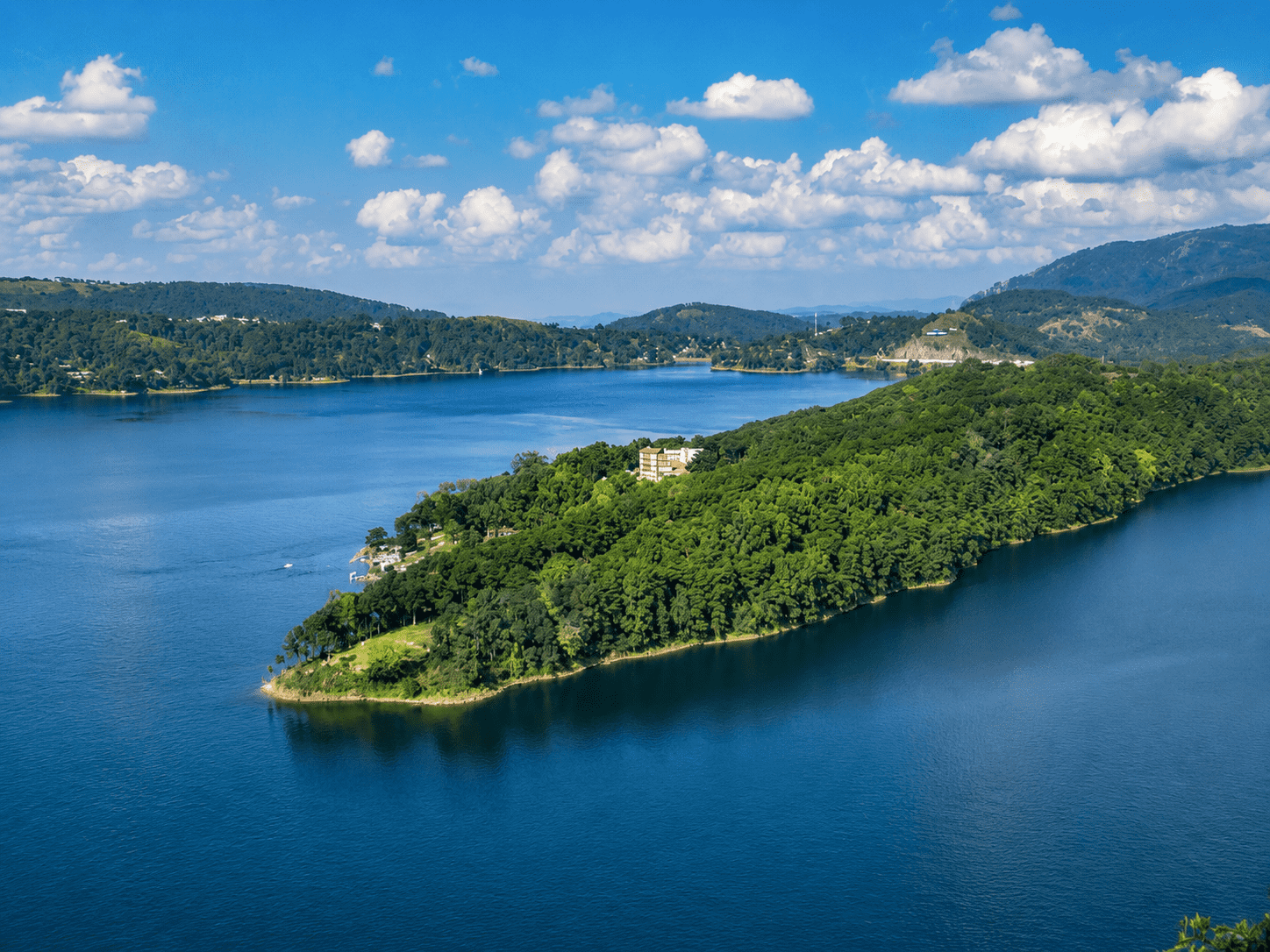
Meghalaya Honeymoon Magic : Shillong & Cherrapunjee
1N Shillong · 2N Cherapunjee · 1N Shillong
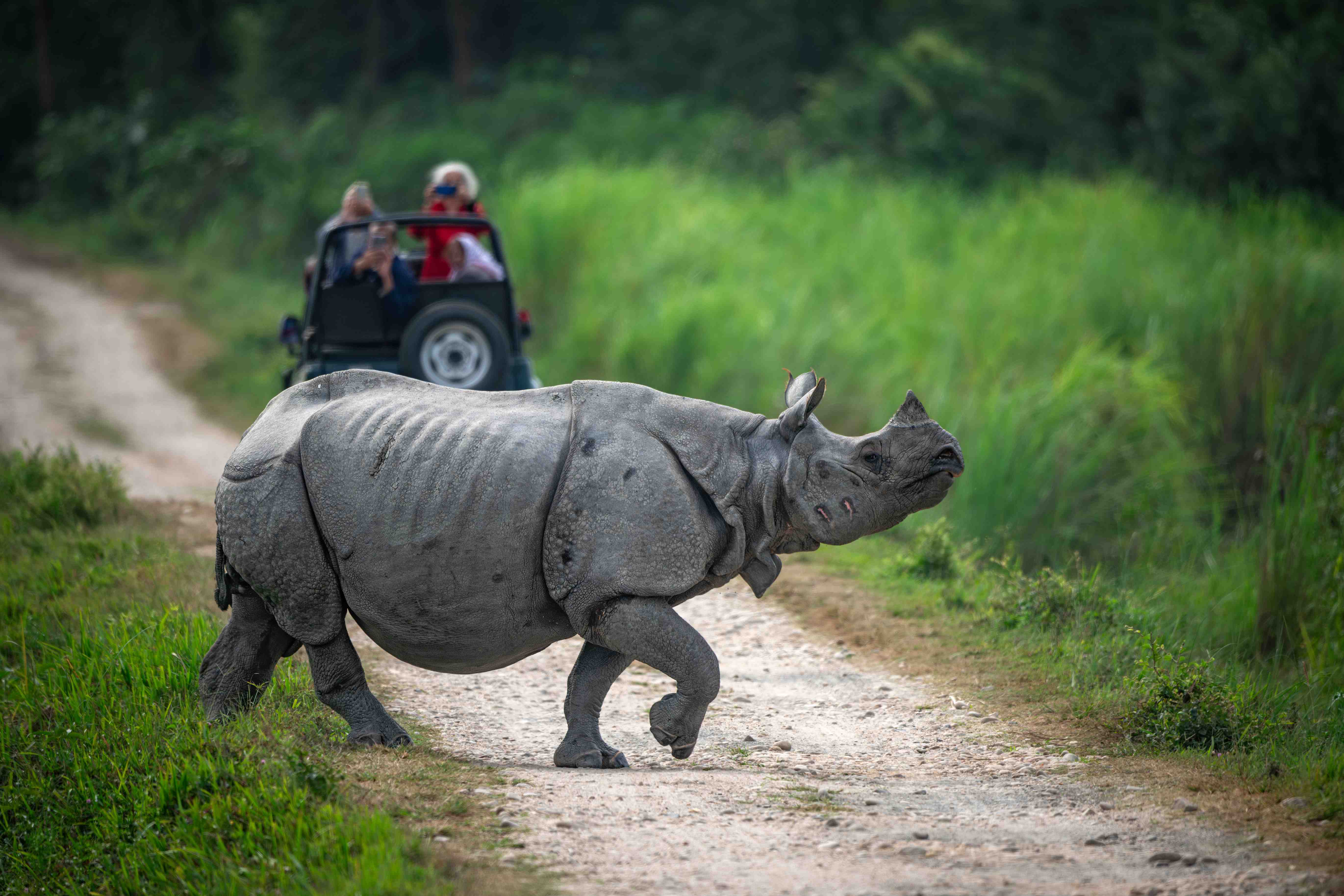
Kaziranga Meghalaya Wildlife Adventure
1N Kaziranga · 1N Shillong · 2N Cherapunjee · 1N Shillong
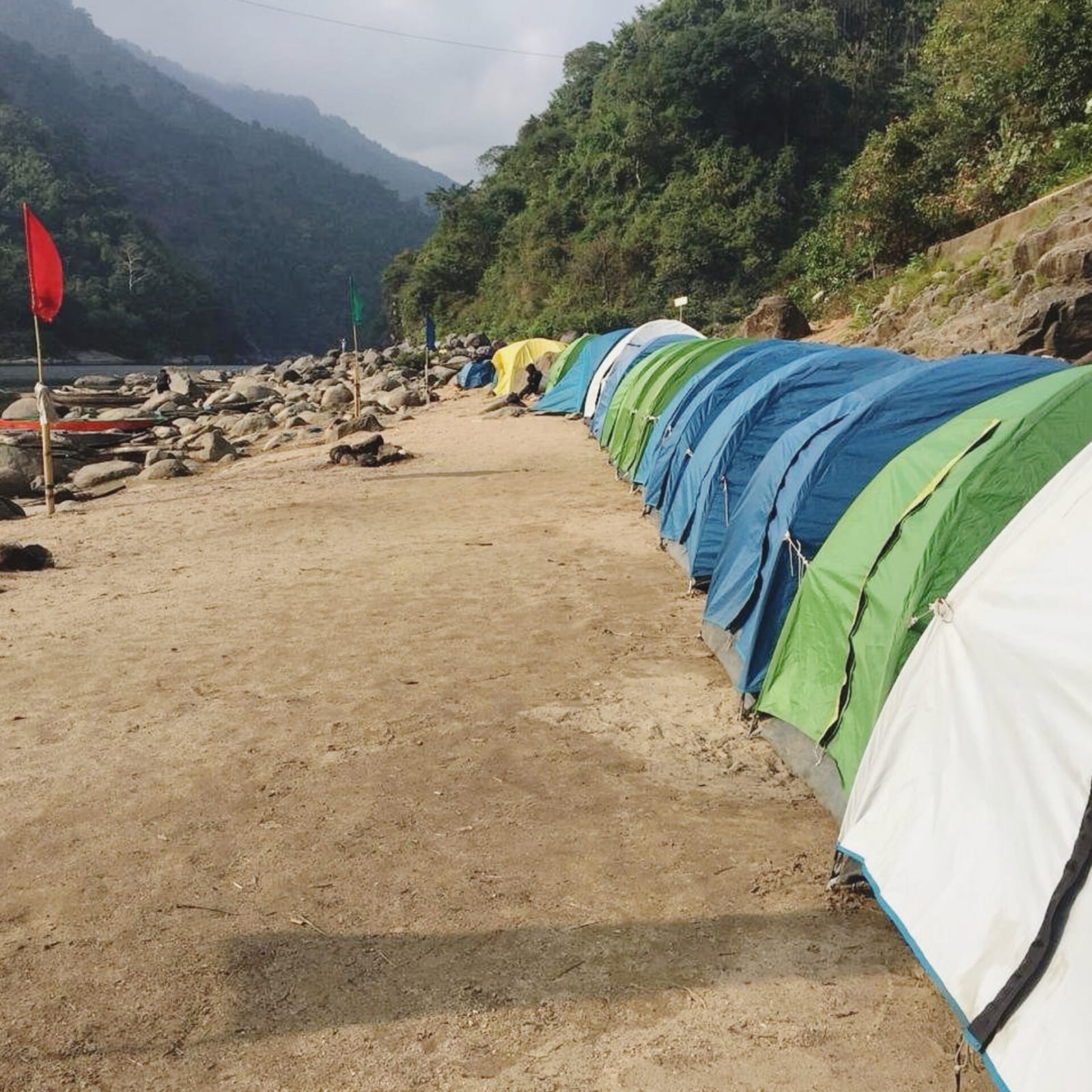
Camping in Meghalaya
1N Shillong · 1N Shnongpdeng · 2N Cherapunjee · 1N Shillong
Looking for a hassle free trip?
Connect with our experts! Get the best Itineraries and Offers!