


Ziro Festival 2026: Complete Guide to Arunachal's Biggest Music Festival
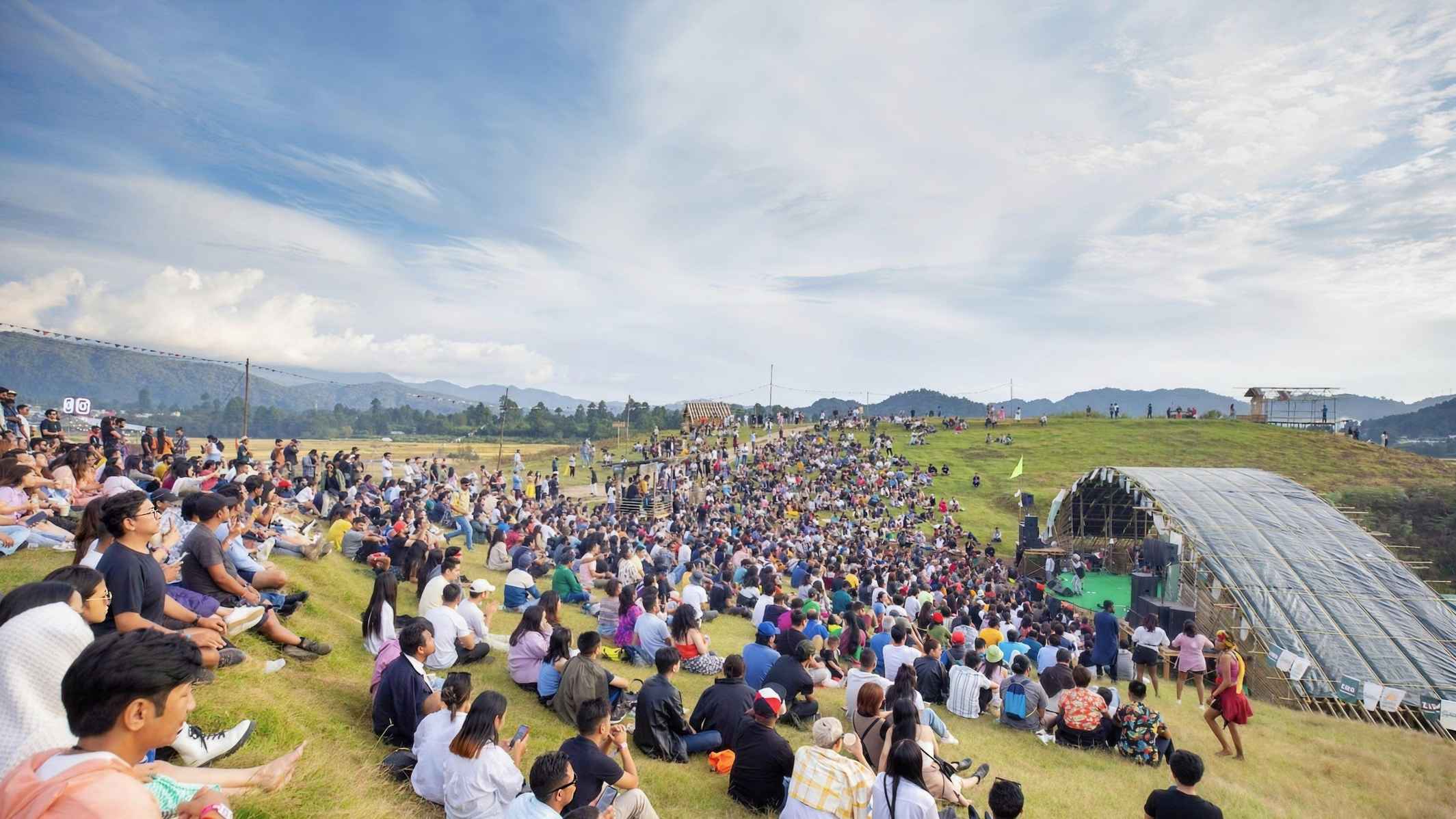
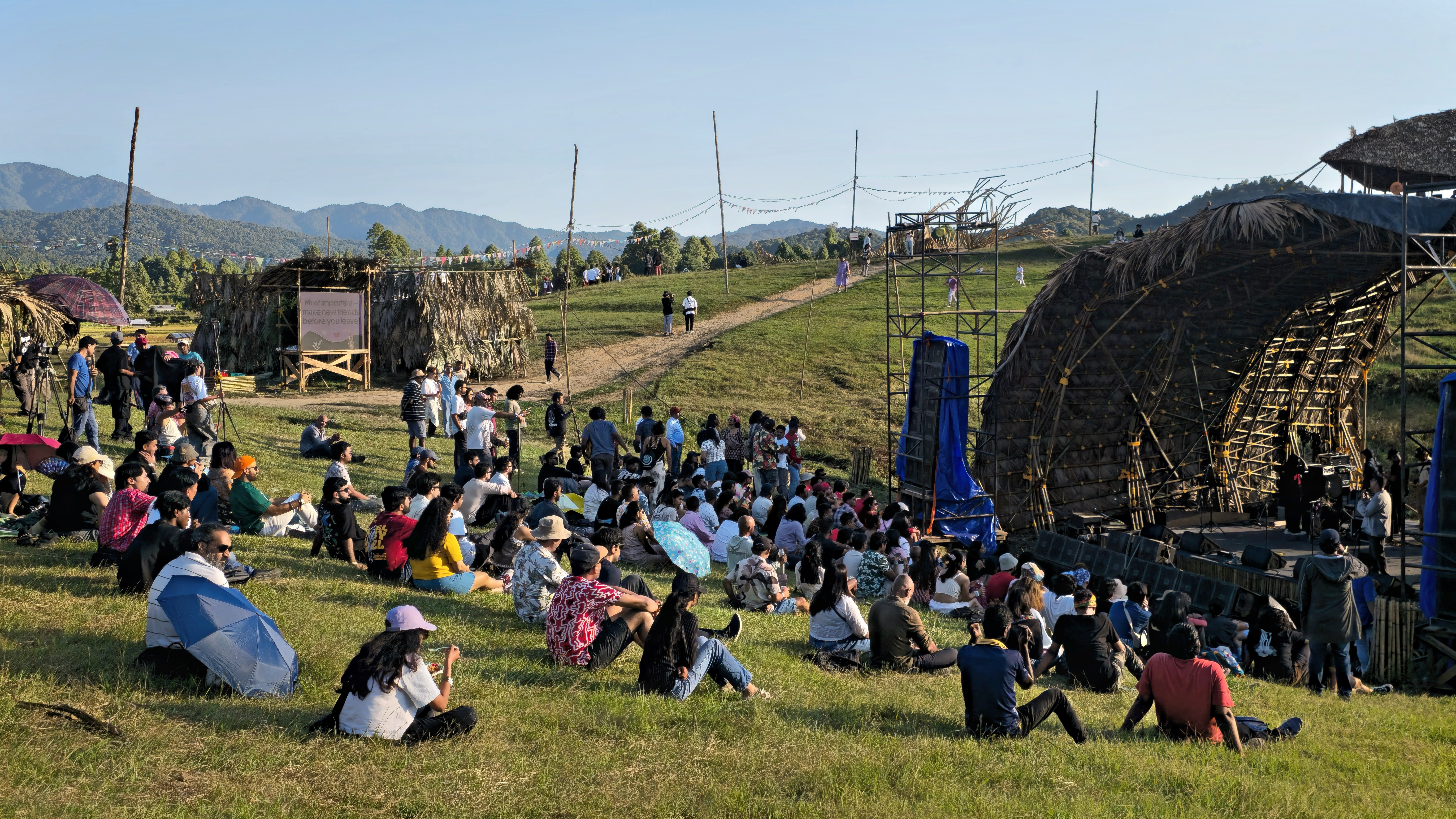
There's a moment at Ziro that nobody puts on a poster. It's late afternoon, the light has gone gold over the rice fields, a band you've never heard of is playing something that stops you mid-sentence, and you realise you're standing barefoot in a paddy field in the middle of Arunachal Pradesh with two thousand strangers who all feel exactly the same way. That's the Ziro Music Festival. Not the lineup, not the tickets — that moment.
We've been sending travellers into this valley for years, and every season we get the same questions: when is it, how do I get there, do I need a permit, where do I sleep, is it worth the long journey. This guide answers all of it in one place, honestly, from people who've actually stood in that field. Whether you're a first-timer or a returning Ziro regular, consider this your complete reference for the 2026 edition.

What Is the Ziro Music Festival?
The Ziro Festival of Music is India's most loved independent outdoor music festival, held every year in the Ziro Valley of Arunachal Pradesh. It started in 2012 with a simple idea — put great independent music in one of the most beautiful landscapes in the country and let the two amplify each other. More than a decade later, it has become a pilgrimage for indie fans, backpackers, photographers, and anyone chasing something more soulful than a city festival.
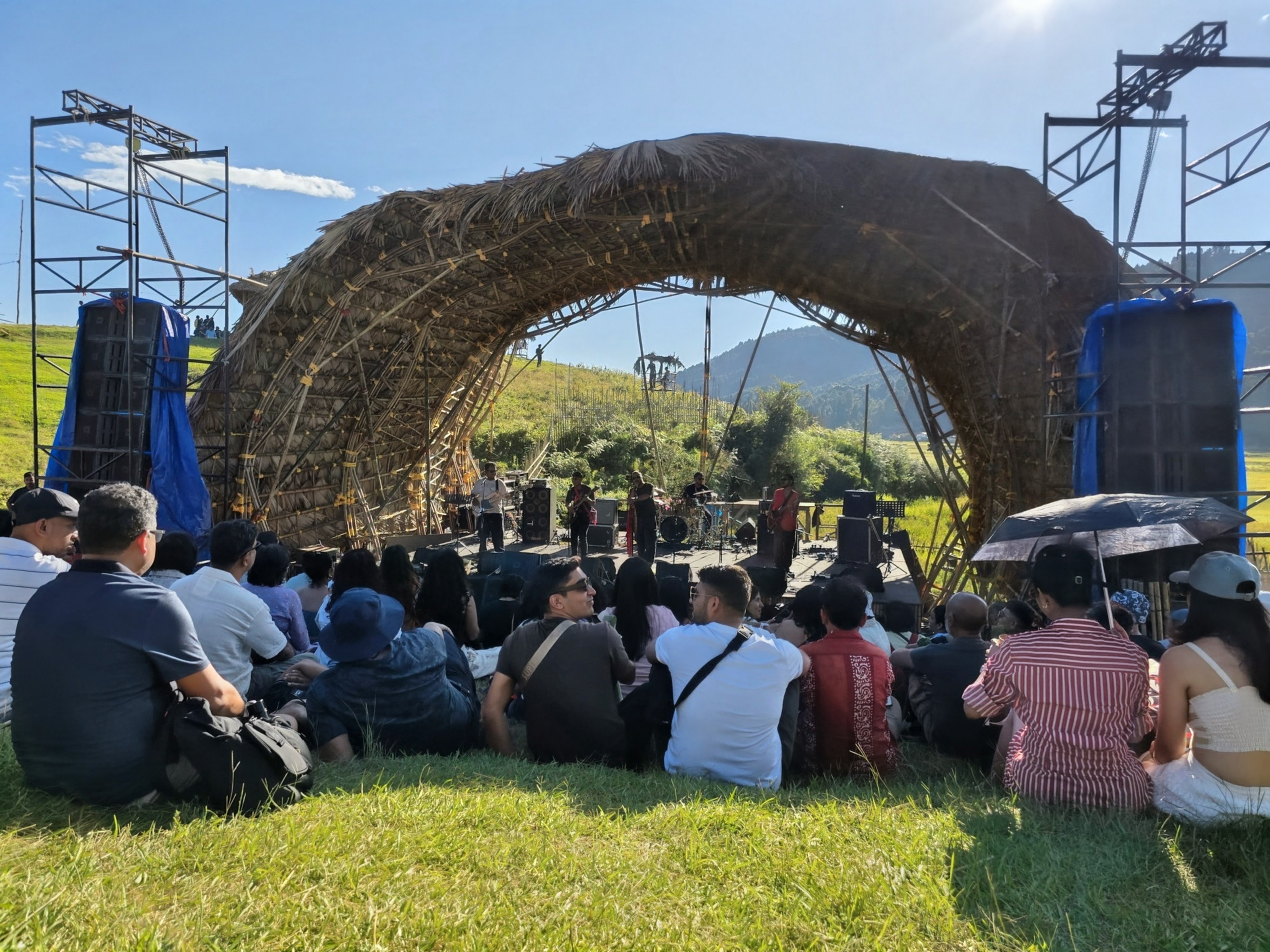
What makes it different is the setting. Ziro isn't a fairground with a stage bolted on. It's a working valley, home to the Apatani tribe, wrapped in pine hills and terraced rice fields, with bamboo stages built by local hands. You don't just watch a festival here — you spend four days inside a culture. The music runs from Northeast Indian folk to indie rock to experimental sets you won't hear anywhere else, and it all happens under open Arunachal skies rather than a stadium roof.
If you've been to other festivals and found them loud, crowded, and forgettable, Ziro is the antidote. It's smaller, kinder, and it stays with you.
Ziro Festival 2026 Dates and What to Expect
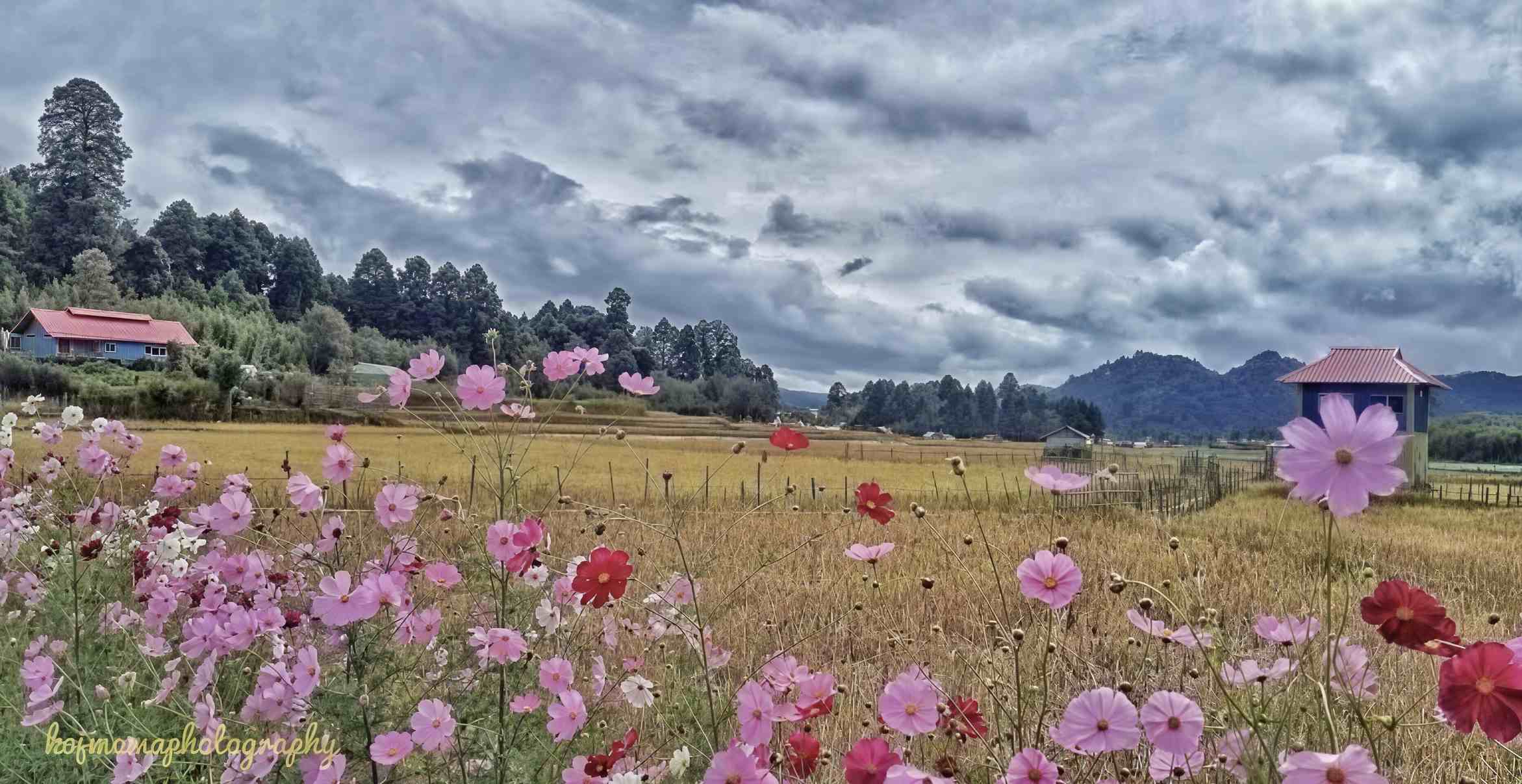
The Ziro Festival 2026 runs from 24 to 27 September 2026 — four full days of music, food, and valley life. September is deliberate: it's when Ziro is at its greenest, the rice fields are heavy and gold-green, and the weather sits in that perfect cool-but-not-cold zone that makes long days outdoors a pleasure.
A few honest planning notes rather than hype. The festival's full 2026 artist lineup is usually announced closer to the event, so if you see a site claiming a "confirmed lineup" months out, be a little sceptical. Past editions have brought a genuinely wide mix — Northeast folk artists, established indie acts, and international names — and 2026 is shaped to continue that. We update our lineup information the moment the organisers make it official, rather than filling the gap with guesses.
Two things you can plan around right now, though: tickets and travel both reward booking early. Passes for Ziro sell out, and the limited good accommodation in and around the valley fills months ahead. If Ziro 2026 is on your list, the single best decision you can make is to lock your travel early rather than scramble in September.
How to Reach Ziro Valley
Getting to Ziro is part of the experience — and, let's be honest, part of the challenge. The valley sits deep in Arunachal Pradesh, and there's no airport or railway station in Ziro itself. Here's how it actually works.
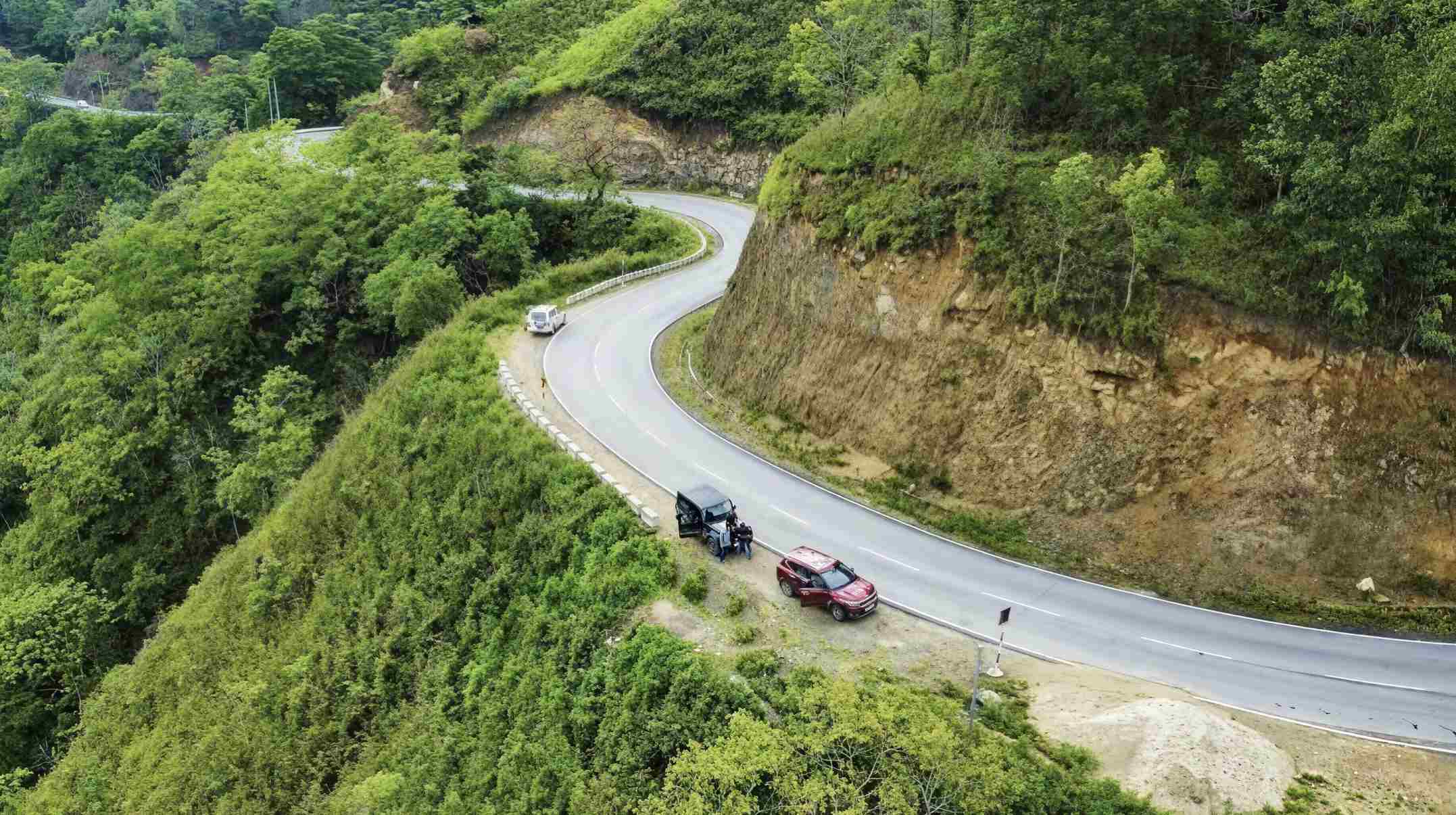
The nearest airport is at Hollongi (Itanagar), and the nearest major railhead is Naharlagun, near Itanagar. Most travellers, though, route through Guwahati in Assam, which has the best flight and train connectivity from the rest of India. From Guwahati, it's a scenic — if long — road journey of roughly 7 to 8 hours into the valley, winding up through hills and changing landscapes that are honestly half the fun.
The three practical ways in: fly to Hollongi and drive up; take an overnight train to Naharlagun and drive the rest; or travel via Guwahati by train or flight and continue by road. Each has trade-offs in time and cost, and we've broken all three down in detail in our dedicated how to reach Ziro Valley guide — worth reading if you're planning independently.
One important thing that surprises first-timers: you need an Inner Line Permit (ILP) to enter Arunachal Pradesh if you're an Indian citizen from outside the state, and foreign nationals need to register as well. It's straightforward to arrange, but you can't skip it. The official Arunachal Pradesh tourism portal has the current permit process, and if you travel with us the permit is handled as part of your package.

Where to Stay: Camping vs Homestays
Accommodation is where Ziro trips are made or broken, so read this part carefully.
There are broadly two ways to sleep at Ziro: camping near the festival ground, or a homestay in an Apatani village. Camping puts you closest to the music and the festival energy — you roll out of your tent and you're there. Homestays trade a little convenience for warmth, home-cooked Apatani food, and a real window into local life. Neither is "better"; they suit different travellers, and we've compared them properly in our camping vs homestay guide.
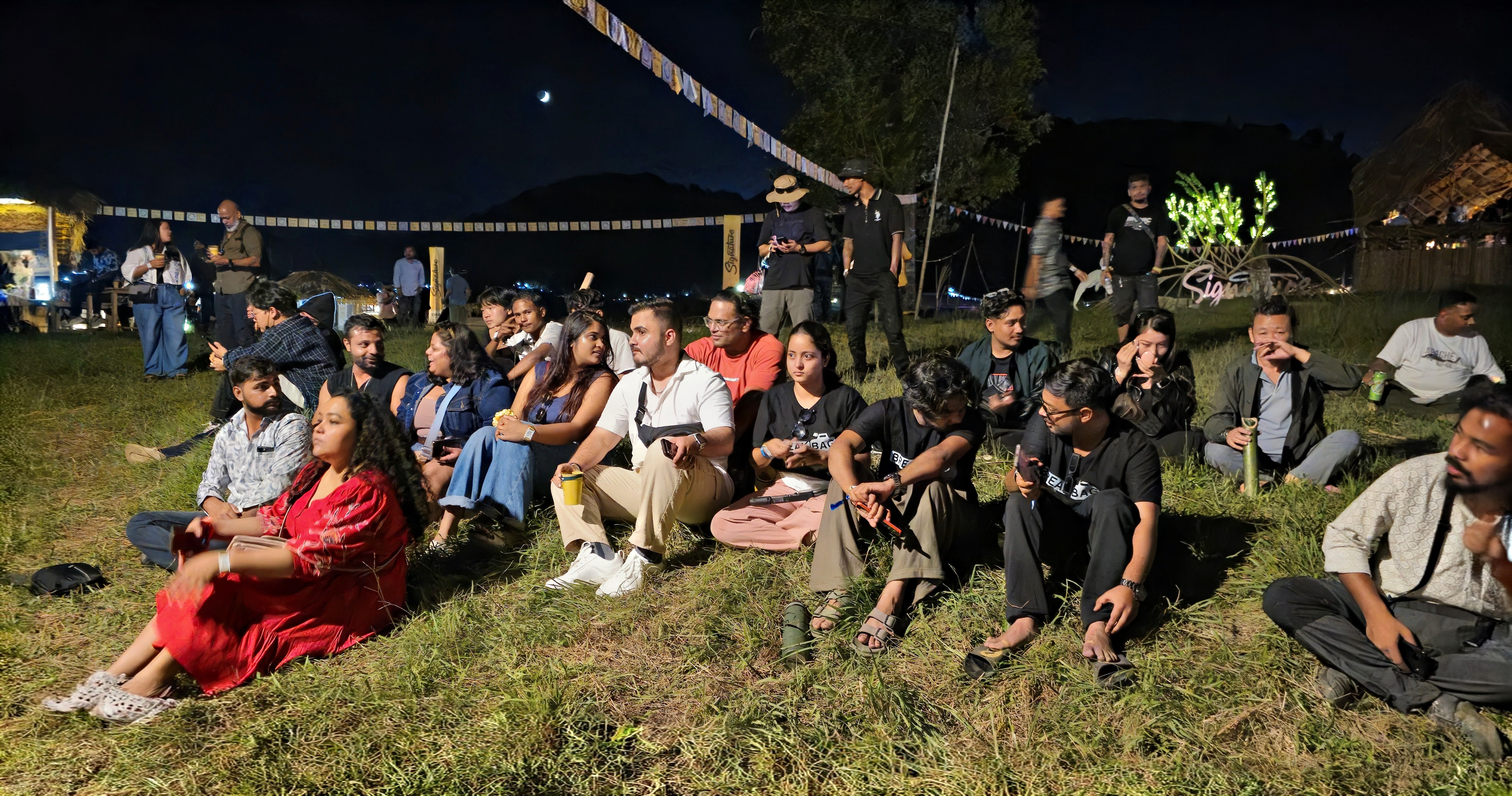
Here's the thing worth knowing: proximity to the festival gate matters more than people expect. After a long day on your feet, a fifteen-minute walk back to a distant camp in the dark feels very different from a two-minute one. That's exactly why we built Ziro Camps by BreakBag — our own campsite that sits roughly 100 metres from the main festival entrance, about as close as it's physically possible to stay. Dome tents, proper concrete washrooms with a dedicated cleaner, 24×7 water and charging, morning yoga, and hot breakfast and dinner included. It's the setup we wished existed when we first started coming here, so we made it.
Whatever you choose, book it early. Good beds near Ziro are genuinely scarce during festival week.

The Apatani Culture Behind the Valley
You can enjoy Ziro purely for the music, but you'd be missing half of what makes it special. The valley is the ancestral home of the Apatani tribe, one of the most fascinating communities in Northeast India, known for their intricate wet-rice and fish cultivation, their bamboo architecture, and — among the older generation — distinctive facial tattoos and nose plugs that carry deep cultural history.
The Apatani way of farming, where rice and fish are grown together in the same terraced fields without machinery, is so sustainable that it's studied internationally and the landscape has been on India's tentative list for UNESCO recognition. Walking through an Apatani village during festival week, you understand that Ziro's magic isn't just imported by the festival — it was here long before, in the rhythm of the valley itself.
Many travellers add a guided Apatani village walk to their trip, and we'd genuinely recommend it. It turns a music weekend into a cultural journey. Just remember you're a guest in a living community, not a tourist attraction — go respectfully, ask before photographing people, and support local homestays and guides where you can.
Tickets, Costs, and Booking Your Trip
Let's talk money honestly, because Ziro trips have two separate costs people often confuse.
First, the festival pass — bought from the official Ziro Festival of Music channels, not from tour operators. A four-day pass has historically been in the ₹9,000 range, with early-bird tickets cheaper if you move fast. The pass covers festival entry only; it does not include your travel, stay, or food. ( Children below 12 years of age are eligible for free Ziro Festival passes )
Second, the travel and accommodation — getting to the valley, sleeping somewhere decent, eating well, permits, and transfers. This is where a package earns its keep, because organising Arunachal travel, ILP permits, and scarce festival-week accommodation independently is genuinely hard, and mistakes are expensive.
If you'd rather not juggle all of that, our Ziro Festival 2026 tour package from Guwahati handles the whole chain — train, transfers, permits, camping, and meals — so all you carry is your festival pass and your energy. We keep group sizes sensible and the logistics tight, which after years of running these trips we've learned is the difference between a smooth Ziro and a stressful one.
Whichever way you go, the golden rule repeats: book early. Ziro rewards the organised and punishes the last-minute.
Why Ziro Is Worth the Journey
It's a long way to go for a music festival. We won't pretend otherwise. But that distance is exactly why Ziro feels the way it does. You can't casually drop into this festival — reaching it takes intention, and everyone in that valley made the same effort you did, which creates a rare kind of shared spirit.
You come for the music and you leave with more: friendships made in a shared tent, a plate of food in a stranger's home, a sunrise over rice fields, a band that becomes your favourite. In a country full of events competing to be the biggest and loudest, Ziro quietly stays the most meaningful. Four days here recalibrates something.
If you've read this far, some part of you has already decided to go. Trust it.
"Some festivals give you a weekend. Ziro gives you a memory you'll be chasing for years."
Ready for Ziro 2026?
Ziro Festival 2026 is on 24–27 September, tickets and beds are already moving, and the valley only holds so many people. If you want the closest camp to the festival gate, hot meals waiting after every set, and every permit and transfer handled for you, explore our Ziro Festival 2026 packages and Ziro Camps here — or message us and we'll help you plan the whole trip. Book early; Ziro doesn't wait.
Looking for a hassle free trip?
Connect with our experts! Get the best Itineraries and Offers!